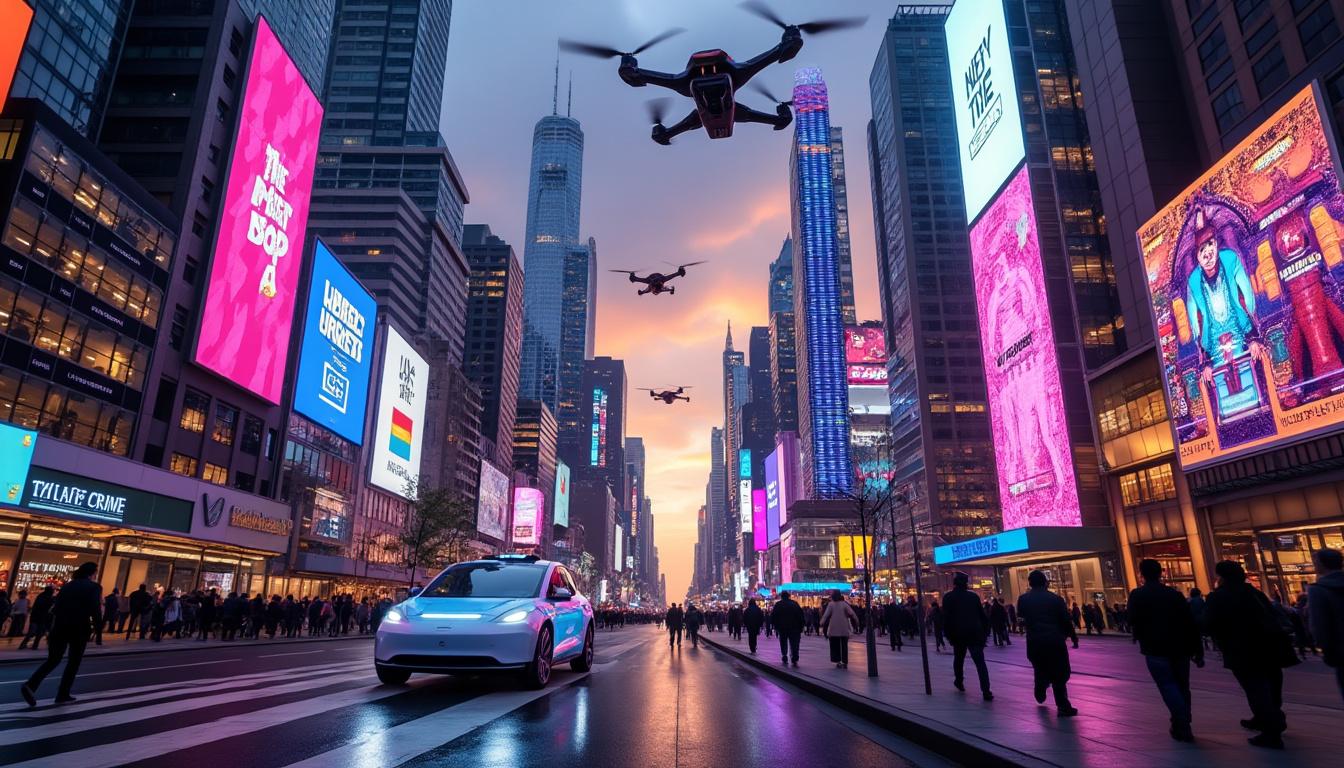
New York City’s urban landscape is undergoing a profound transformation driven by a digital revolution unlike any seen before. The city’s promise as a global hub of innovation is being realized through strategic investments in cutting-edge technologies like artificial intelligence (AI), smart city infrastructure, and semiconductor development. The hustle and bustle of neighborhoods such as Chelsea, Dumbo, and Long Island City now tell the story of tech boom vitality, where the old industrial backdrop gives way to modern offices designed for collaboration and creativity. Meanwhile, initiatives like the NY SMART I-Corridor herald a new era for the semiconductor industry in the United States, reinforcing New York’s role as a key player in technology manufacturing and economic growth.
Fueled by visionary leadership and substantial public-private partnerships, New York is not simply adapting to technological advancements—it is shaping them. The city’s commitment spans from nurturing AI research to expanding integrated software solutions that elevate urban living standards. Film and television production receives a new lease of life with multimillion-dollar campuses sprouting in boroughs ready to embrace the demand for VR and modern content creation. This vibrant mix of technology, entertainment, and infrastructure innovation vividly captures New York’s audacious leap into the future, setting a blueprint for 21st-century urban vitality.
Urban Transformation Fueled by Technology: New York City’s Tech Districts in 2025
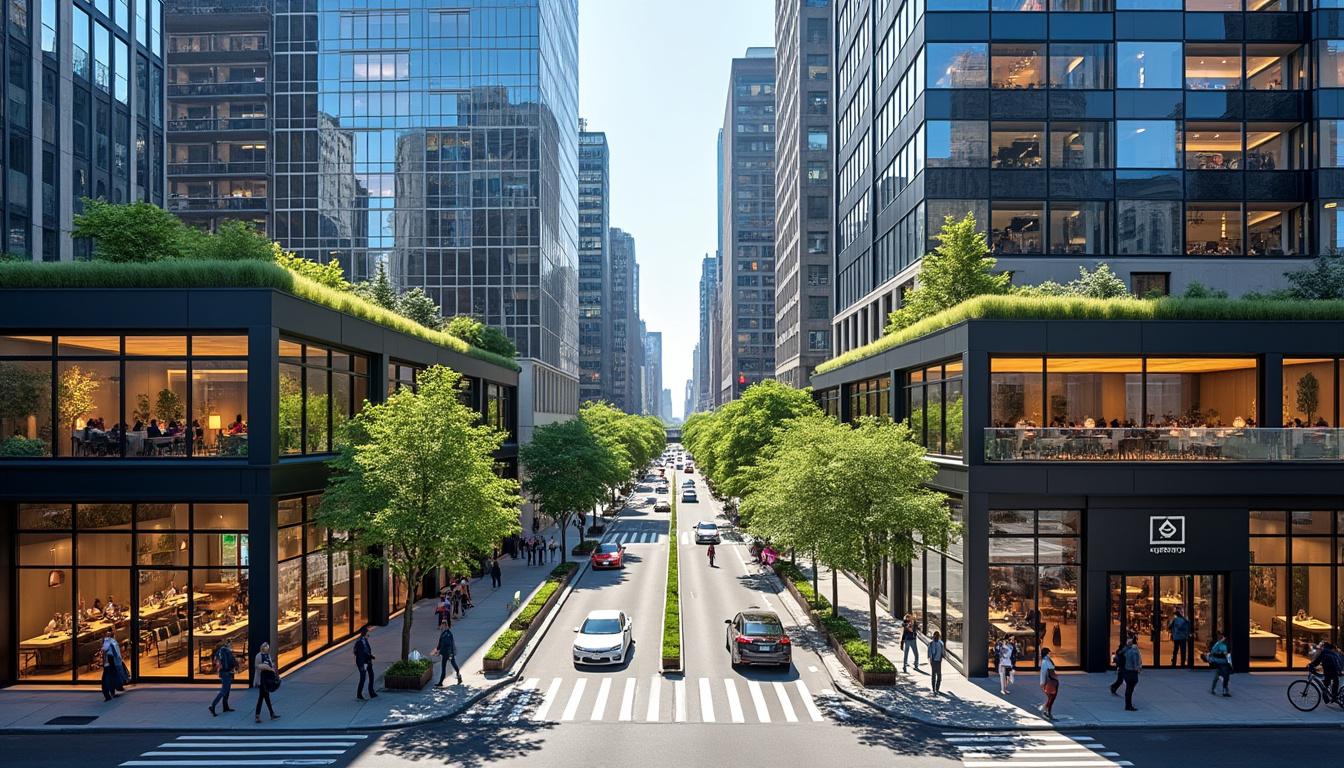
When you walk through Chelsea, Dumbo, or Long Island City today, you don’t just see neighborhoods—you witness epicenters of digital innovation sculpting modern work and living spaces. The tech industry’s expansion has driven a surge in demand for creative office setups that foster flexibility and collaboration. Traditional real estate concepts are dissolving as buildings adapt to open floor plans, communal workspaces, and state-of-the-art amenities. This shift reflects the tech sector’s culture—dynamic, innovative, and deeply social.
Consider the influx of major tech players in these areas. Google, Amazon, Meta, Microsoft, and IBM now occupy several developments, rapidly increasing the city’s tech footprint. Co-working pioneers like WeWork continue to flourish, offering flexible solutions that cater to startups and established firms alike. Even creative platforms such as Spotify, Snapchat, Squarespace, and Etsy have found a growing community here, blending digital creativity with entrepreneurial spirit.
The impact transcends office life. Residential demand surges as employees seek proximity to work and urban amenities, pushing developers toward mixed-use projects. This ferment of activity sparks a local economic renaissance as cafés, shops, and community spaces spring up, transforming the social fabric as much as the physical.
Key drivers of the tech-driven urban shift include:
- Increased office redesigns focusing on open, adaptable workspaces
- Infrastructural upgrades enabling faster internet connectivity and sustainable energy use
- Emerging residential projects targeting tech professionals
- Development of vibrant community hubs integrating retail and technology
| Neighborhood | Main Tech Companies | Major Infrastructure Upgrades | Notable Commercial Developments |
|---|---|---|---|
| Chelsea | Google, Meta, IBM | Fiber-optic rollout, EV charging stations | Mixed-use office and retail spaces |
| Dumbo | Spotify, Squarespace, WeWork | Smart lighting, sustainable energy grids | Creative co-working hubs, urban parks |
| Long Island City | Amazon, Microsoft, Etsy | High-speed internet upgrades, eco-friendly transit stations | Luxury residential towers, tech incubators |
Such revitalization epitomizes how technology fuels urban growth not only through physical infrastructure but also by cultivating ecosystems where innovation thrives. As New York continues its digital revolution, the synergy between real estate and technology becomes central to its evolving identity and economic resilience.


Leading the AI Wave: How New York City Is Becoming an Innovation Powerhouse
Artificial intelligence is no longer just a buzzword in New York it defines the city’s trajectory toward a smarter, more efficient urban future. The city’s tech ecosystem, valued at over $700 billion, drives AI integration across healthcare, finance, public services, and more, making New York a global epicenter for AI research and deployment.
Key initiatives include a comprehensive AI governance framework designed to balance innovation with ethical considerations. Public engagement and expert advisory panels help shape policies that govern AI use, ensuring trust and accountability in a rapidly evolving technological landscape. This multifaceted approach fosters a collaborative environment where startups, academic institutions, and industry giants such as IBM, Microsoft, and Google invest heavily in AI advancements.
Healthcare is an area witnessing remarkable AI-driven improvements in diagnostics, patient management, and personalized treatment plans. For instance, AI-powered predictive analytics help hospitals anticipate patient influx and optimize resource allocation, improving emergency care and reducing wait times.
In finance, AI algorithms enhance fraud detection and streamline transactions, ensuring that New York’s status as a financial capital remains robust amidst changing digital norms. Moreover, citywide public services utilize AI for traffic management, energy consumption optimization, and waste reduction, dramatically boosting quality of life.
Major components of New York’s AI strategy include:
- Sophisticated AI research centers collaborating with global tech firms
- Citywide AI governance frameworks with ethical oversight
- AI-powered public service enhancements (healthcare, transport, utilities)
- Workforce AI upskilling programs coordinated with businesses and academia
| Sector | AI Application | Key Partners | Impact |
|---|---|---|---|
| Healthcare | Predictive analytics, personalized medicine | IBM, local hospitals, Columbia University | Improved patient outcomes, efficient resource use |
| Finance | Fraud detection, transaction optimization | Google, Meta, Wall Street firms | Enhanced security, faster transactions |
| Public Services | Traffic management, energy efficiency | Microsoft, city agencies | Reduced congestion, sustainable city operations |
By positioning itself as an AI innovation hub, New York exemplifies a tech-forward vision where human ingenuity and machine intelligence work hand in hand to revolutionize urban life and economy. The city’s initiatives create a fertile ground where companies like Snapchat and Spotify can thrive, continuing the legacy of technological leadership.


The NY SMART I-Corridor: Charting the Future of Semiconductor Innovation
Among New York State’s standout initiatives, the NY SMART I-Corridor has emerged as a beacon of semiconductor innovation and economic revitalization. This coalition spans Buffalo, Rochester, Syracuse, and Ithaca and stands as the only federally designated Tech Hub in the United States solely dedicated to semiconductor research and manufacturing, a distinction that sets it apart on the national stage.
With $40 million in federal funding and an additional $8 million from the state budget, the NY SMART I-Corridor is leveraging these resources alongside private sector investment to build a world-class semiconductor ecosystem. This progress is not abstract—it translates directly to thousands of high-paying jobs, the advancement of cutting-edge manufacturing techniques, and the fortification of the domestic supply chain critical for national security.
The economic implications of this initiative ripple far beyond the tech sector. Local businesses benefit from increased demand for logistics, construction, and professional services, while academic institutions gain from intensified R&D collaborations. The leadership behind this effort, including Buffalo Niagara Partnership’s Dottie Gallagher and her counterparts in Syracuse and Rochester, emphasize strategic growth designed to sustain New York’s economic prosperity for decades.
Key factors fueling the NY SMART I-Corridor’s impact:
- Exclusive focus on semiconductor production innovation
- Robust federal and state funding catalyzing private investments
- Creation of thousands of specialized, high-wage jobs across the region
- Strengthened academia-industry partnerships accelerating research
| Region | Role in Semiconductor Ecosystem | Investment ($ Millions) | Job Creation Estimate |
|---|---|---|---|
| Buffalo | Innovation hub, manufacturing research | 18 | 1,200 |
| Rochester | Design & fabrication | 15 | 1,000 |
| Syracuse | Testing & quality control | 10 | 800 |
| Ithaca | Academic research & workforce training | 5 | 500 |
As this corridor grows, it acts as a critical engine for regional economic development and strengthens New York’s position in the highly competitive global semiconductor landscape. To dive deeper into the ongoing developments, explore this in-depth analysis of New York’s technological awakening.


Smart City Technologies Elevating Urban Living Standards
New York City’s vision for a smarter urban future revolves around leveraging integrated software and IoT (Internet of Things) platforms to optimize public services, transportation, and environmental sustainability. This digital transformation is not theoretical; it materially improves the everyday experiences of millions of New Yorkers.
City agencies work closely with technology giants such as Microsoft, Google, and IBM, deploying solutions that include real-time traffic monitoring, adaptive street lighting, and predictive maintenance for public infrastructure. Transit systems now utilize AI-powered algorithms to adjust schedules dynamically, reducing wait times and improving energy efficiency.
Waste management has also seen a high-tech makeover with smart sensors monitoring landfill sites and recycling centers, optimizing routes and reducing carbon footprints. This data-driven approach extends to energy grids where AI controls consumption patterns to maximize renewable energy use.
Areas transformed by smart city initiatives include:
- Adaptive public transit and traffic control
- Dynamic energy grid management
- Efficient waste collection through sensor technology
- Enhanced public safety with predictive analytics
| Technology | Application Area | Tech Partners | Result |
|---|---|---|---|
| IoT Sensors | Waste Management | IBM, local government | Optimized routes, reduced emissions |
| AI Algorithms | Traffic Optimization | Microsoft, Google | Reduced congestion, improved transit flow |
| Smart Lighting | City Streets | Meta, city planners | Energy savings, enhanced safety |
| Data Analytics | Public Safety | Snapchat, NYPD | Predictive crime prevention |
These smart technologies create the scaffolding for a responsive, sustainable metropolis. They empower residents and city officials alike to make smarter decisions in real time, enhancing quality of life in ways both visible and subtle. As the city steps boldly into the future, these innovations make clear the power of digital transformation as a catalyst for urban prosperity.


Economic Growth Through Workforce and Industry Innovation
The New York State Economic Development Conference in 2025 underscored a crucial theme: technology is the linchpin of sustained economic and workforce development. As digital innovation accelerates, aligning education and vocational training with industry demands has become a strategic priority. This ensures that workers are prepared for high-skill roles emerging in fields including AI, semiconductor manufacturing, and smart city development.
Collaborative programs between government, academia, and private companies such as Amazon and Meta emphasize upskilling and reskilling, offering accessible pathways into tech careers for diverse community members. This comprehensive approach supports an inclusive economy where opportunity is widespread, not confined to traditional centers.
Major highlights include:
- State-funded training initiatives focusing on AI and semiconductor skills
- Partnerships between universities and industry leaders to align curriculum
- Investment in workforce diversity and equity programs
- Development of innovation districts that combine research, business, and housing
| Program | Focus Area | Industry Partners | Expected Outcomes |
|---|---|---|---|
| AI Workforce Reskilling | Artificial Intelligence | IBM, Google, Microsoft | New high-tech job placements, innovation growth |
| Semiconductor Training | Manufacturing & Design | NY SMART I-Corridor, local colleges | Skilled workforce ready for cutting-edge facilities |
| Diversity & Inclusion | Tech Sector Equity | Meta, Amazon, Spotify | Wider access to tech careers |
| Innovation Campus Development | Mixed-use Urban Districts | WeWork, regional governments | Vibrant live-work-research environments |
New York City’s digital revolution is not just a story of technology, but one of people—developers, creators, visionaries, and workers—who together forge a future defined by opportunity, growth, and resilience. This ecosystem exemplifies how smart policies and bold investments can craft a sustainable, prosperous urban economy.
What technologies are driving New York City’s digital revolution?
Key technologies include artificial intelligence, semiconductor manufacturing, smart city IoT applications, and digital infrastructure expansions involving tech giants like Google, Meta, and Microsoft.
How does the NY SMART I-Corridor benefit New York’s economy?
The NY SMART I-Corridor attracts federal and state funding to build a semiconductor hub that stimulates job creation, attracts private investment, and strengthens the domestic tech supply chain for sustained economic growth.
In what ways is AI improving public services in New York City?
AI optimizes healthcare delivery, traffic management, energy use, and safety through predictive analytics and real-time adaptive systems, enhancing efficiency and overall quality of life.
How is the workforce adapting to New York’s tech-driven economy?
Collaborative programs between government, industry, and academia focus on upskilling and reskilling workers in AI, semiconductor technology, and digital skills to create an inclusive, skilled labor force.
Where can I learn more about New York’s technological advancements?
For a comprehensive overview, visit the resource guide at New York’s Technological Awakening: A Bold Leap Into the Future.