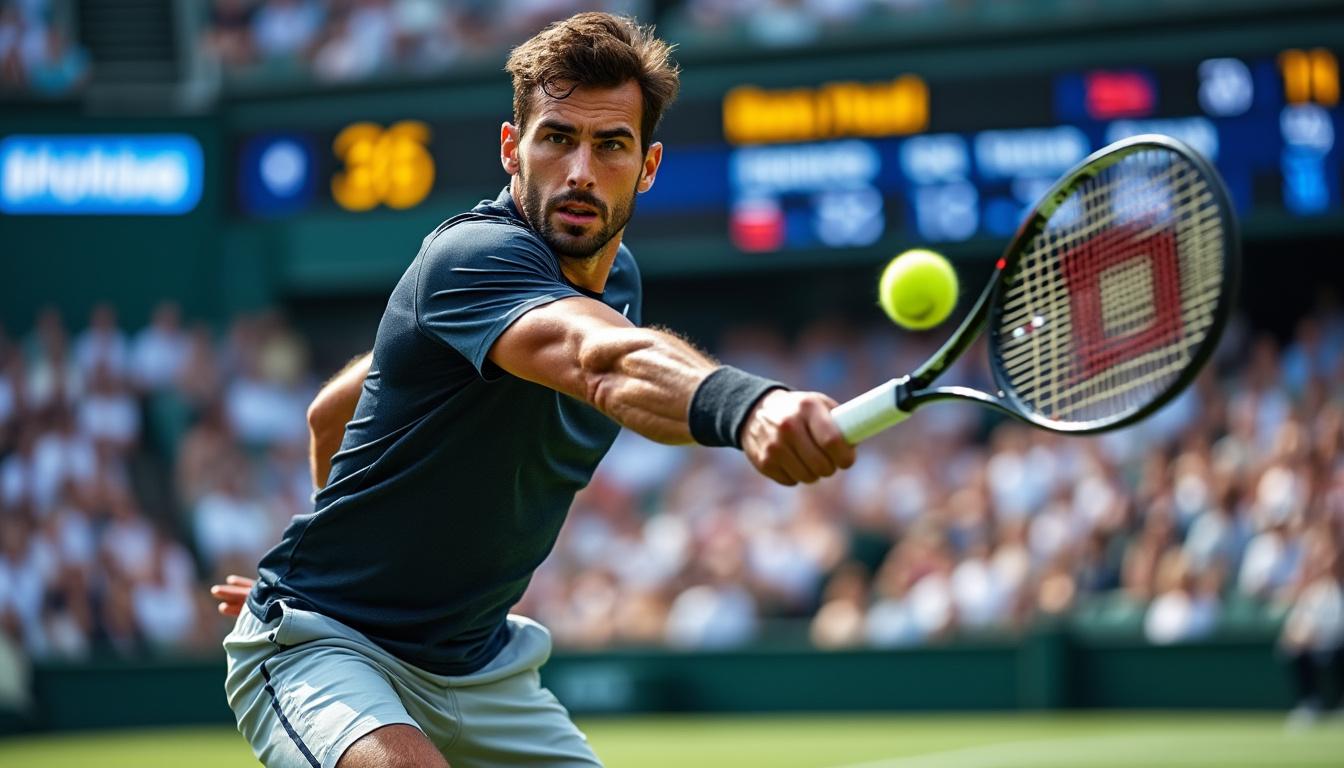
As the tennis world turns its gaze toward the 2026 Australian swing, all eyes are on a former top-10 ATP Tour contender who’s quietly carving a path back to prominence. This player’s journey is not just about reclaiming a ranking spot; it’s a compelling story of resilience, skill refinement, and strategic adaptation on hard courts – elements crucial to succeeding in one of tennis’ most grueling segments. The Australian swing offers a unique battlefield where match fitness and performance improvement collide, and this comeback contender is showing strong signs ready to rewrite the narrative ahead of the season’s critical hard court stretch.
Fans and pundits have observed a distinct upturn in the player’s tactical approach and physical preparedness. The ATP rankings reflect a potential shift, hinting that this is more than a temporary revival but a sustained resurgence matching the demanding standards of today’s ATP Tour. As the calendar flips closer to Melbourne, the anticipation grows to witness how these elements translate into results against the tour’s elite.
The backdrop is ripe with intrigue: a landscape featuring youthers driven to break through and established titans defending their ground, each battle setting the tone for the entire season’s momentum. Unfolding this player’s comeback story provides not only an engaging tennis saga but also insight into the broader dynamics shaping the sport in 2026.
Analyzing the Performance Improvement and Match Fitness Before the Australian Swing
Performance improvement and match fitness form the bedrock of any successful tennis comeback, especially when preparing for the Australian swing—a period notorious for its brutal conditions and top-tier competition. A former top-10 contender’s recent performances suggest a refined game plan tailored for this exact stretch of the ATP Tour calendar.
His match fitness is notably enhanced, evident through longer baseline rallies and improved recovery between points—attributes that were once questioned. Experts tracking his progress have pointed to a new training regime focusing on agility, endurance, and shot precision, elements that directly correlate with his recent streak of wins and fewer unforced errors. Notably, this evolution aligns with the demands of hard court seasons where quick courts force players to respond rapidly under pressure.
This player has also worked intensively on physical conditioning, integrating strength training and flexibility exercises. This holistic approach is pivotal for sustained match fitness, reducing injury risks while optimizing court movement. Observers noted that his forehand, once a weapon subject to inconsistency, now packs a more precise punch, enabling better rally control.
Key Factors Driving Fitness and Form
- Structured physical conditioning: Enhanced stamina and reflexes tailored for hard courts.
- Tactical match play refinement: Improved shot selection and rally patience to outlast opponents.
- Recovery protocols: Better injury prevention with targeted physiotherapy and nutritional plans.
- On-court adaptability: Reacting swiftly to opponent’s playstyle in high-pressure moments.
These components weave together to create an athlete not just fit for competition but primed to challenge any top-10 contender standing in his path. The Australian swing will be a robust test of these advances, and early indicators suggest he is not simply participating—he’s contending.
| Aspect | Details | Importance for Australian Swing |
|---|---|---|
| Endurance | Increased stamina for long rallies and matches | Critical due to often grueling match conditions and heat |
| Shot Precision | Sharpened forehand and backhand consistency | Essential for dominating baseline exchanges on hard surfaces |
| Agility | Improved court coverage; quicker recovery steps | Allows swift response to hard-court pace and angles |
| Recovery | Streamlined injury prevention and rest protocols | Supports consistent tournament participation |

Strategic Adaptations in Hard Court Play Elevate Contender’s Outlook
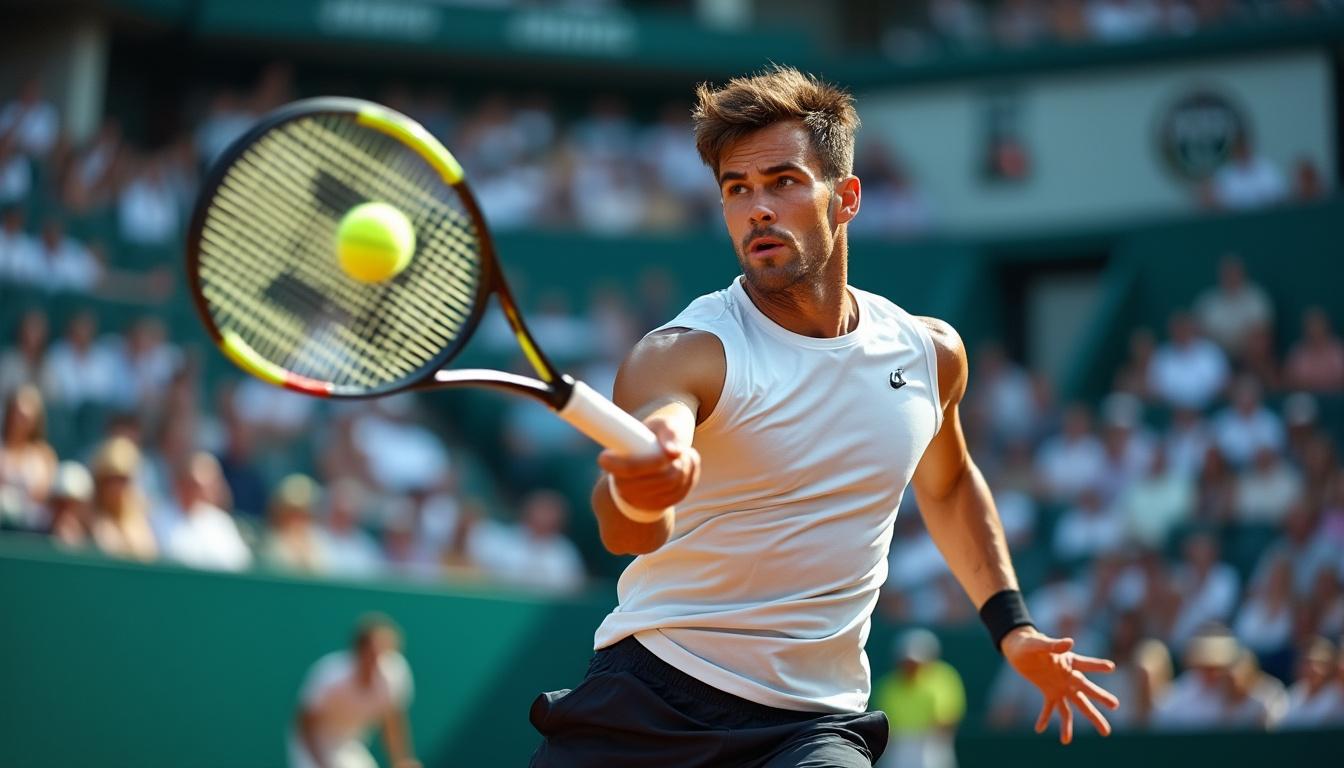
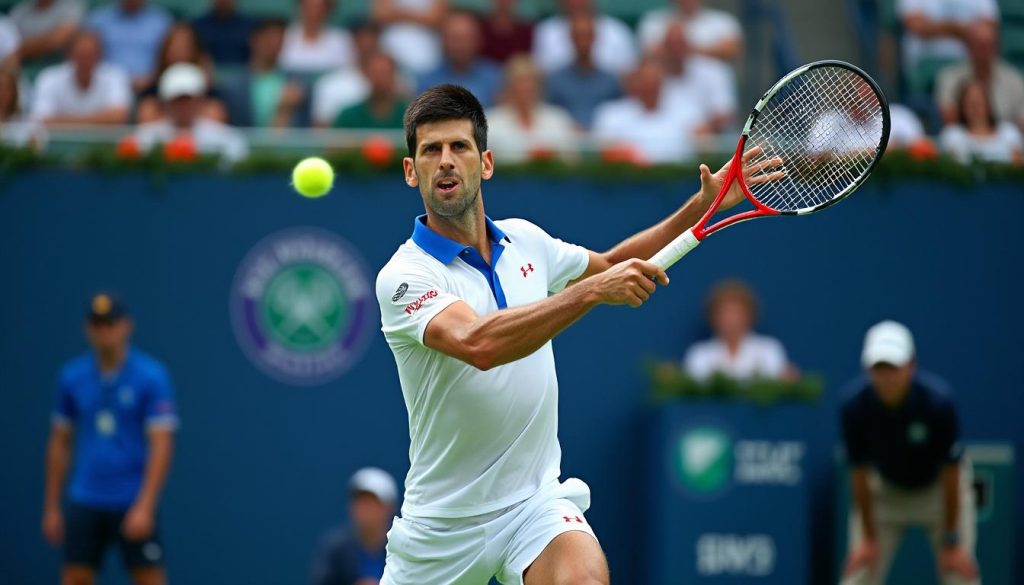
Hard courts demand precision and tactical resilience. This former top-10 player has exhibited strategic shifts enhancing his performance metrics across late 2025 tournaments, signaling strength as he steps into the Australian swing. His style now capitalizes on early ball striking and quick transition from defense to offense—a tactic that thrives on hard courts’ predictable bounce.
One decisive strategic adaptation involves varying spin and pace to disrupt opponent timing. Where his previous approach relied heavily on baseline power, now mixing slice backhands and topspin forehands generates opportunities to open the court and finish points faster. This adaptation was notably effective in recent Masters-level events, contributing to surprising wins against higher-ranked opponents.
Furthermore, his serve has evolved into a more tactical weapon, balancing aggressive first serves with smart placement to increase free points while minimizing double faults. This progression is vital considering the fast pace and short rallies typical of the ATP hard court season.
Benefits of These Tactical Shifts Include:
- Energy conservation through smarter point construction.
- Increased unpredictability limiting opponent anticipation.
- Greater effectiveness in breaking down defensive players.
- Reduced unforced errors by better shot selection.
These strategies dovetail with the ATP Tour’s evolution where adaptability often trumps raw power, and tactical nuance defines matches. Early results from late-season shows—covered extensively on platforms such as ATP Finals updates—underscore his potential role as a challenger on the hard court circuit.

Examining the Broader Competitive Landscape Leading into the Australian Swing
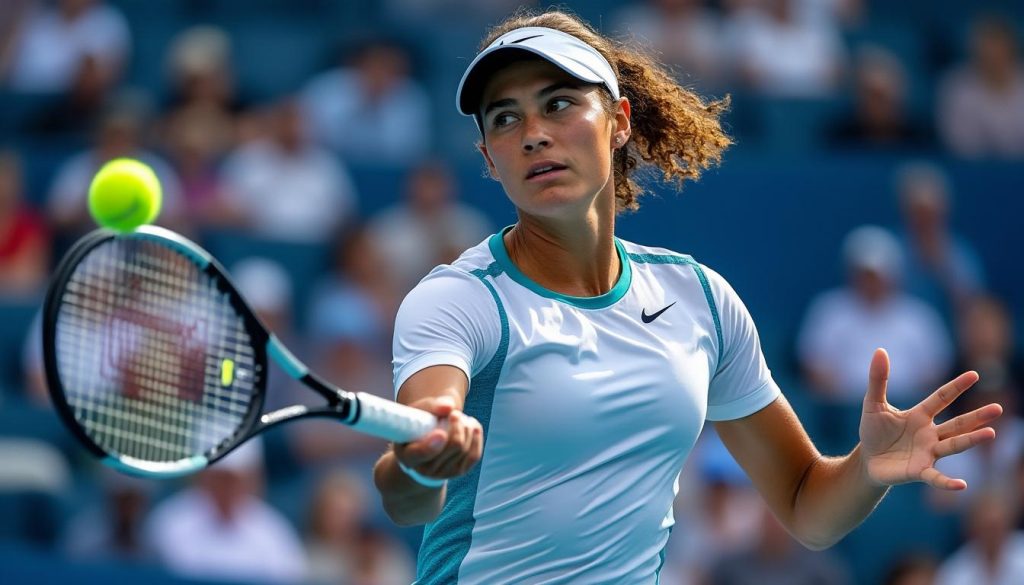
The ATP Tour’s atmosphere ahead of the Australian swing is charged with competition intensity. Established stars like Jannik Sinner maintain dominance, but several rising players, including young talents and former top-10 challengers returning to form, are creating a crowded chase for points and prestige.
This depth raises the stakes for the comeback contender, who must leverage every hard court match to accumulate crucial ATP rankings points. Recent reshuffles in rankings reflect the dynamic nature of the tour post-Grand Slam season, where players jockey for advantageous seedings.
Some notable trends shaping this landscape include:
- Younger players pushing aggressive baseline games with stamina advantages.
- Veteran resilience blending experience and physical upkeep, often seen in players around 30 and above.
- Emerging hard court specialists who thrive on pace and tactical serving, a category our discussed contender increasingly fits.
| Player Type | Strengths | Challenges Faced |
|---|---|---|
| Young Breakouts | High energy, fearless play, strong stamina | Less experience in high-pressure matches |
| Returning Former Top-10 | Experience, tactical savvy, improved fitness | Needs to rebuild match intensity and consistency |
| Established Veterans | Mental strength, strategic depth | Age-related physical recovery limitations |
This mix means every match at events leading to the Australian Open—covered in the October ATP Tour broadcasts—could be the stage for a pivotal moment in rankings and player trajectories as the hard court season ramps up.
Witnessing these high-stakes encounters provides context and drama, enriching fans’ understanding of the physical and mental demands players endure to stay atop. Our contender’s ability to navigate such competition could herald a noteworthy tennis comeback story.
Impact of the Australian Swing on the ATP Rankings and the Contender’s Potential Rise
The Australian swing holds critical weight in the annual ATP rankings calculus. Strong showings in key tournaments like the Melbourne Summer Set, Adelaide International, and ultimately the Australian Open itself often define players’ seasons. For a former top-10 player, this period is both an opportunity and a challenge to solidify a comeback pace.
Analyzing recent rankings, players who peaked during the swing tend to carry momentum into subsequent Masters-1000 events and the broader hard court season. For him, the stakes are high: climbing back into the top 20 or even cracking the top-15 would signal a seismic shift from merely competing to truly contending. His game evolution and fitness gains set a promising foundation for such a climb.
- Increased confidence from wins against top-tier opponents during the swing.
- Seeding advantages that ease early-round challenges in Grand Slams.
- Significant ranking points added by advancing into tournament later rounds.
- Physical validation of form and injury resilience in a demanding schedule.
| Tournament | Ranking Points Awarded | Relevance to Momentum |
|---|---|---|
| Melbourne Summer Set | 250 | Great for kicking off the Australian swing with confidence boost |
| Adelaide International | 250 | Offers ranking and match rhythm advantages |
| Australian Open | 2000 (Grand Slam) | Decisive for major ranking movement and profile visibility |
For fans tracking this resurgence, staying updated through sources such as the ATP Riyadh Rising Star coverage and related platforms offers ongoing insights into how these tournaments shape contenders’ futures.


Latin American Influence and Regional Events Bolstering Hard Court Contenders
Latin America’s presence is increasingly prominent on the ATP Tour, especially as young talents and seasoned players alike leverage regional tournaments to sharpen hard court skills ahead of the Australian swing. This surge reflects in robust showings on the continent’s hard courts and in Australia, where players from Argentina and Brazil, among others, shape the competitive mix.
Players such as Francisco Cerúndolo and Sebastián Báez illustrate the region’s growing impact on the hard court season, with their consistent ATP ranking climbs. A notable example of Latin America’s preparation for the Australian swing is the Road to Australia tournament in Buenos Aires, held in December, featuring continental standouts fine-tuning form and tactics.
How Latin American Events Feed into the Hard Court Season
- Exposure to high stakes tournaments mimicking Australian conditions.
- Match play intensity fostering resilience against top opponents.
- Physical adaptation to hard surfaces crucial for sustained performance.
- Psychological readiness built through regional success and crowd support.
This regional momentum not only boosts individual players but also enriches the ATP Tour’s diversity and competitiveness during the Australian swing. Coverage from events like the Swiss Indoors Basel 2025 and preceding tournaments provide windows into these players’ form and potential impact.
What defines a strong comeback on the ATP Tour?
A strong comeback involves sustained performance improvement, enhanced match fitness, tactical adaptations, and results during key tournaments that influence ATP rankings.
Why is the Australian swing pivotal for player rankings?
The Australian swing includes several high-point events where players can accumulate significant ranking points early in the season, setting the tone for their entire year.
How do hard court conditions influence player strategies?
Hard courts require quick reflexes, efficient footwork, and tactical shot variations due to their speed and surface consistency, demanding adaptability in players’ strategies.
What role do regional tournaments play in player preparation?
Regional tournaments like the Road to Australia help players adapt to competitive pressures and surface conditions ahead of major tour events, crucial for match fitness and confidence.
How can former top-10 players regain status?
By focusing on physical conditioning, implementing tactical refinements, and leveraging experience to outmaneuver younger opponents during critical ATP Tour events.