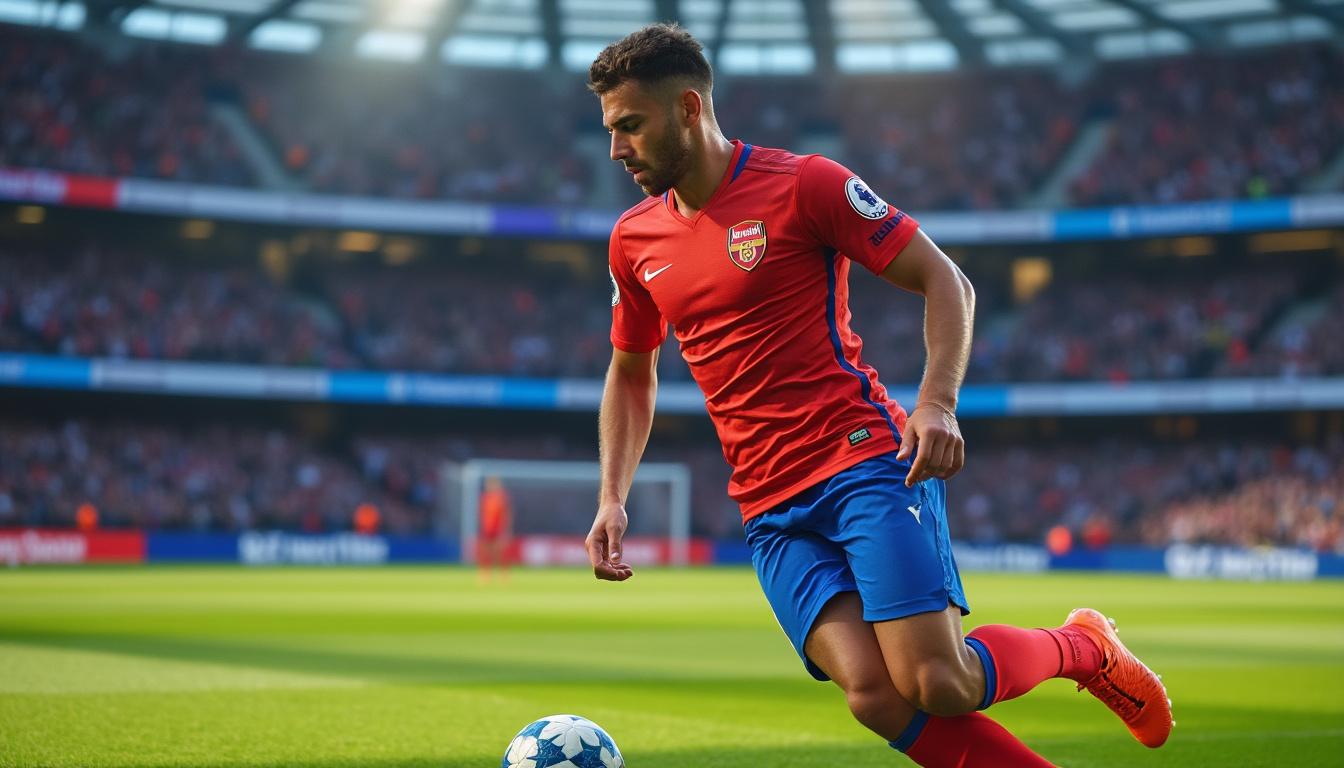
The African Cup of Nations 2025 is gearing up to be a tournament like no other, as it shifts to an unprecedented December schedule that directly impacts Europe’s elite football clubs. Set in Morocco from December 21, 2025, to January 18, 2026, the tournament marks a major shift in the football calendar, aligning Africa’s premier competition within the festive winter season. This timing changes the stakes radically—not only for Africa’s national teams but also for European clubs whose star African players will be absent during a crucial part of their season. Morocco’s hosting, featuring nine stadiums across six cities, promises top-tier infrastructure and passionate crowds, ready to light up Africa’s football scene while Europe faces its own scheduling chaos.
This December tournament introduces fresh excitement and tension. Fans across Africa and worldwide will experience the electric atmosphere of a month-long festival of football that blends holiday cheer with intense competition. Meanwhile, European clubs will grapple with the sudden loss of key players, forcing managers to rethink strategies and squad depth during what is traditionally a congested fixture period. AFCON 2025 thus becomes far more than a continental competition—it’s a game-changer in the global football landscape, influencing transfers, team dynamics, and rivalries on multiple fronts.
With 24 teams vying for Africa’s crown, including the defending champions Ivory Coast and host nation Morocco, the tournament brims with potential for memorable upsets and legendary performances. Fan-favourite nations and surprising returns shape the narrative, as Botswana makes a hotly anticipated comeback while Ghana’s absence sparks fresh conversations. All eyes will be on the African continent as it showcases unity, passion, and raw football talent in a festive setting that stitches together the sport’s global heartbeat with local pride.
As the world braces for AFCON 2025, the intersection of this December tournament with Europe’s major leagues will create a unique narrative of club versus country—heightening emotions and discussions throughout football communities. Whether you’re a die-hard supporter or new to the beautiful game, this chapter of African football promises drama, unity, and exhilaration at every kick of the ball.
Key Points in Brief for AFCON 2025 Impact and Overview:
- The tournament runs from December 21, 2025, to January 18, 2026, marking the first-ever winter edition of AFCON.
- Morocco hosts with nine stadiums in six cities, including Rabat, Casablanca, and Tangier.
- 24 teams compete across group stages and knockout rounds, intensifying African football’s continental showcase.
- Shift to December affects European clubs by challenging player availability during a critical mid-season period.
- Defending champions Ivory Coast, and key nations like Morocco and Nigeria, look to claim continental glory.
- Return of Botswana and absence of Ghana shift tournament dynamics, adding unpredictability.
- Fans should plan accommodations and travel early, given the festive season surge in attendance.
- Collaboration between CAF and sponsors like TotalEnergies reinforces football development across Africa.
- Ticket demand across Morocco’s venues expected to be high—early purchases advised.
- AFCON 2025 promises a fusion of sport, culture, and fan passion during Africa’s brightest football celebration.
AFCON 2025 December Tournament: A Game-Changer for Europe’s Biggest Clubs and the Football Calendar
The decision to stage the African Cup of Nations 2025 during December marks a seismic shift in the global football calendar. Traditionally hosted in the early months of the year, AFCON now moves into a period that directly overlaps with the heart of European domestic leagues. This new football scheduling creates an intense tug of war between club and country, reshaping how teams manage player availability and squad tactics mid-season.
European giants like Manchester United, Liverpool, and Chelsea face a stark reality: their African stars will be called away for up to four weeks during one of the busiest stretches in the European season. This situation forces managers to adapt swiftly or risk slippage in title races and European competitions. The move comes after extensive negotiations involving CAF, UEFA, and FIFA, reflecting a push toward better synchronization between continental competitions and club football demands.
Here’s what’s at stake for Europe’s biggest clubs:
- Player Availability: Key talents such as Mohamed Salah (Egypt), Wilfried Zaha (Ivory Coast), and Riyad Mahrez (Algeria) will be absent during crucial league matches.
- Strategic Squad Management: Coaches must deepen rotation policies and utilize less seasoned players to cover for AFCON call-ups, affecting team cohesion and performance consistency.
- Transfer Market Implications: Clubs might rethink recruitment strategies, seeking more African talents or midfield reinforcements capable of weathering AFCON absences.
- Fixture Congestion: Post-AFCON, fixture pile-ups may impact recovery, increasing injury risks and affecting European Champions League campaigns.
For African national teams, this winter tournament offers an unparalleled chance to shine on a festive global stage, enhancing the continental competition’s prestige. African stars will perform energized, playing in packed stadiums before passionate home crowds in Morocco, which stands as a testament to the nation’s capacity after the successful 2022 FIFA Club World Cup organization.
| Impact Area | Effect on European Clubs | AFCON 2025 Angle |
|---|---|---|
| Player Availability | Loss of key African players for 4+ weeks | Full player participation boosts tournament quality |
| Squad Rotation | Increased demand for depth & youth integration | Opportunity for new talents to emerge on global stage |
| Fixture Scheduling | Fixture congestion & risk of burnout | Aligns AFCON with European leagues to minimize conflicts |
| Market Value | Potential transfer market adjustments amid absences | Showcases African talent pipeline to international scouts |
Managing the club vs country tension has become a defining challenge of 2025’s football landscape, and AFCON 2025 stands at its epicenter. For fans and analysts alike, this tournament is more than a continental contest—it is a narrative-defining chapter shaping modern football’s future.



Morocco’s Football Infrastructure: Hosting Africa’s Biggest Winter Celebration
Morocco’s preparation for AFCON 2025 reflects a country ready to elevate African football onto the global stage. Hosting the tournament for the second time in history — previously in 1988 — Morocco will capitalize on its vast, modern infrastructure to deliver a premium experience both on and off the pitch.
Six cities across Morocco will serve as battlegrounds for Africa’s finest teams, each offering unique atmospheres and stadiums engineered to provide fans and players with top-tier conditions:
- Rabat: The capital shines with its Prince Moulay Abdellah Stadium (69,500 capacity) as the tournament’s centerpiece, hosting the opening match and grand final. Supporting venues include Stade Al Barid and Stade Olympique Annexe, ensuring multiple games proceed seamlessly in parallel.
- Casablanca: Home to the historic Mohammed V Stadium, renowned for its electrifying ambiance and capacity of 45,000 fans.
- Tangier: Hosting games in the Grand Stade de Tanger, Morocco’s largest venue with 75,600 seats, offering a spectacular coastline backdrop for players and fans.
- Marrakesh & Agadir: Both cities contribute stadiums with capacities around 41,000, combining contemporary design and widespread hospitality.
- Fez: Known for cultural richness, the 35,000-seat Complexe Sportif de Fès introduces heritage and atmosphere.
This extensive spread aims to not just accommodate fans but also to showcase Morocco’s dedication to football as a unifying force. The country’s successful hosting of the 2022 FIFA Club World Cup highlighted its organizational capabilities, which now extend to a tournament with even greater continental significance.
| Host City | Stadium | Capacity | Key Role in AFCON 2025 |
|---|---|---|---|
| Rabat | Prince Moulay Abdellah Stadium | 69,500 | Opening match and final venue |
| Casablanca | Mohammed V Stadium | 45,000 | Key group stage and knockout matches |
| Tangier | Grand Stade de Tanger | 75,600 | Likely host for semi-finals and high-profile clashes |
| Marrakesh | Grand Stade de Marrakech | 41,000 | Group stage matches & fan engagement events |
| Agadir | Grand Stade d’Agadir | 41,000 | Group matches and cultural showcases |
| Fez | Complexe Sportif de Fès | 35,000 | Group stage venue with historic ambiance |
Fans planning to attend should prioritize booking accommodations early. Host cities expect a swell of international visitors, drawn by the tournament’s elevated profile and the festive December timing ensuring a once-in-a-lifetime sporting holiday experience.

High Stakes on the Pitch: Teams, Format, and Intensifying Rivalries
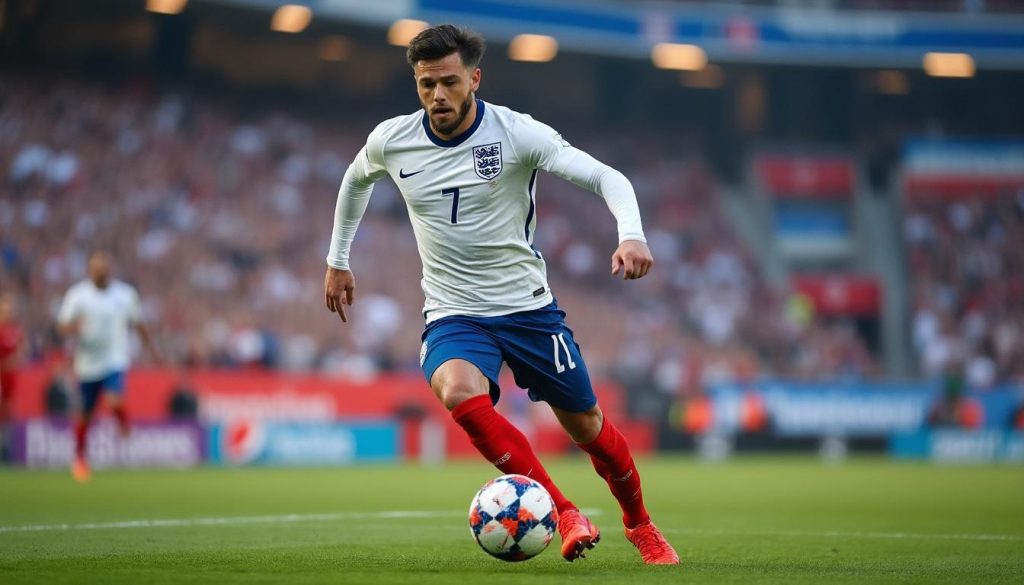
The AFCON 2025 line-up reveals a thrilling mix of seasoned champions, hungry contenders, and emerging African football nations, all vying to etch their names into continental glory. The tournament stays faithful to the 24-team format introduced in 2019, splitting competitors into six groups of four for an action-packed group stage.
Every team is guaranteed at least three matches, with the top two of each group plus the four best third-placed teams advancing to the knockout stage. This structure amplifies competition while maintaining unpredictability and excitement throughout the tournament.
Some key dynamics to watch:
- Defending champions Côte d’Ivoire aim to hold onto their throne, bringing a squad blending experience and youthful talent.
- Morocco’s home advantage places significant pressure but also energy behind the host nation’s quest for continental success.
- Ghana’s absence for the first time since 2004 shakes up Group dynamics, allowing potentially new powers to emerge.
- The return of Botswana after a lengthy absence adds a fresh narrative, heightening group intrigue.
- Consistent qualifiers like Tunisia bring veteran savvy with a streak of 17 consecutive tournaments.
- Traditional powerhouses such as Egypt, Nigeria, Senegal, Cameroon, and Algeria remain intense favourites.
- Emerging nations like Tanzania, Mozambique, and Benin seek to create historic upsets.
The knockout rounds, kicking off in early January 2026, promise escalating drama with single elimination matches leading into quarter-finals, semi-finals, and a spectacular final back in Rabat on January 18. Extra time and penalties stand as inevitable climaxes to tightly contested knockout encounters, ensuring that every match is a shoe-in for memorable moments in football history.
| Group | Notable Teams | Potential Storylines |
|---|---|---|
| A | Morocco, Mali, Zambia, Comoros | Hosts Morocco’s dominance tested by unpredictable Comoros |
| B | Egypt, South Africa, Angola, Zimbabwe | Heavyweight clash between Egypt and South Africa |
| C | Nigeria, Tunisia, Uganda, Tanzania | Strategic battles and emerging nation surprises |
| D | Senegal, DR Congo, Benin, Botswana | Botswana’s comeback sparks fresh group tension |
| E | Algeria, Burkina Faso, Equatorial Guinea, Sudan | Algeria’s experience to dominate against dark horses |
| F | Ivory Coast, Cameroon, Gabon, Mozambique | Ivory Coast’s title defense starts strong against Mozambique |
These fixtures will shape football narratives across continents. The winner’s glory will resonate not only across Africa but into European clubs, as star players return to their club teams with enhanced reputations and experience.


AFCON 2025 Travel and Attendance: Navigating Morocco During the Festival of Football
Attending AFCON 2025 promises an immersive cultural and sporting experience in Morocco, a nation famed for its rich history, cuisine, and vibrant hospitality. But the December tournament period means that fans need to plan carefully to fully soak up the atmosphere and avoid logistical pitfalls.
Top travel tips for a seamless AFCON 2025 experience:
- Book early: With a major tournament coinciding with the festive season, hotels will fill rapidly, particularly in Rabat, Casablanca, and Tangier.
- Proximity matters: Choose lodging near stadiums or central transport hubs to minimize commute times on match days.
- Use public transport: Morocco’s efficient ONCF train network connects most host cities, offering scenic and reliable transfers.
- Explore local culture: Integrate sightseeing with football visits—cities like Fez and Marrakesh offer historical sites worth the detour between matches.
- Stay connected: Secure mobile data plans or Wi-Fi access to follow real-time updates, ticket availability, and transport schedules.
Recommended Stay Highlight: The STORY Rabat hotel serves as a top pick for visitors, combining Moroccan architectural beauty with modern comforts and proximity to tournament venues. Its spacious, serene ambiance offers a perfect counterbalance to the excitement of game days.
Fans embracing the full spectrum of Morocco’s offerings will find the tournament a celebration beyond football—melding sport, culture, and camaraderie. For any traveller, proactive planning means unrestricted access to the spectacle and all the vibrant moments it creates.
| Travel Element | Advice | Reason |
|---|---|---|
| Accommodation | Book 3-6 months in advance | High demand due to December tournament timing |
| Transport | Reserve intercity train tickets early | Ensures smooth commuting between host cities |
| Local Attractions | Plan visits on non-match days | Maximizes experience without schedule conflicts |
| Match Tickets | Purchase through official CAF platforms early | Avoids scalping and ensures entry |
| Communication | Secure reliable data access | Real-time updates critical during tournament |
The curious case of goalkeeping at United as AFCON draws in has sparked plenty of debate among fans and pundits alike. With key players potentially leaving for international duty, the club faces a unique challenge in maintaining stability at the back. This situation raises questions about squad depth and the strategies the management will employ to cope with the absence of their first-choice keepers. For a detailed analysis, check out the AFCON 2025 December tournament article.

AFCON 2025’s Lasting Impact on African and Global Football
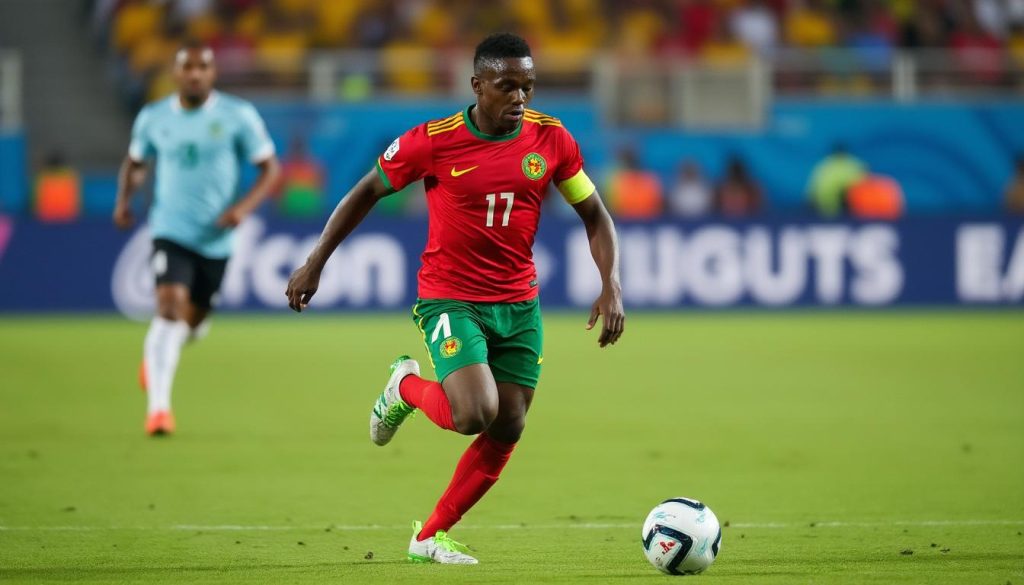
AFCON 2025 isn’t simply shaping up as a tournament; it’s setting a paradigm for African football’s place in the global game. By embracing a December tournament schedule, CAF demonstrates a strategic alignment with the European football calendar, a move with profound implications for player availability and tournament impact worldwide.
This synchronization benefits Africa’s top players, who will compete fitter and more prominently than in previous summer editions, where club versus country conflicts often led to absences or compromised performances. European clubs recognizing this shift are preparing new approaches to roster planning and talent management, acknowledging the growing significance of the African Cup of Nations as a major winter event on the football calendar.
Key reasons AFCON 2025 will leave a lasting mark include:
- Enhanced Player Exposure: Africa’s stars will be seen at peak form, boosting scouting and transfers globally.
- Continental Football Unity: A festival that highlights diverse African cultures coming together in sport.
- Global Football Awareness: The December schedule attracts wider international viewership, integrating AFCON into the global winter sports calendar.
- Strong CAF-Sponsor Partnerships: With TotalEnergies backing, investment in African football infrastructure and grassroots initiatives continues to grow.
- Advances in Football Scheduling: This move paves the way for further adaptations ensuring player welfare and club cooperation worldwide.
Ultimately, AFCON 2025 serves as a vibrant showcase and a strategic pivot for African football’s future, encouraging collaboration and elevating the sport on all fronts. Fans, clubs, and federations will watch this tournament not only for who lifts the trophy but for setting the blueprint of a new era in the game.
Which country is hosting the African Cup of Nations 2025?
Morocco will host the 2025 edition, marking its second time after first hosting in 1988. The country stepped in following Guinea’s withdrawal due to organizational and health concerns.
What are the exact dates for AFCON 2025?
The tournament runs from December 21, 2025, to January 18, 2026, spanning the festive season. This scheduling shift helps align the tournament with European leagues and improve player participation.
How will the AFCON 2025 format work with 24 teams?
Twenty-four nations will be divided into six groups of four teams each. The top two teams from each group plus the four best third-placed teams advance to the knockout stage, leading to a single-elimination finale.
What impact does AFCON 2025 have on European clubs?
The December schedule causes African players to miss key club matches, challenging team management and squad rotation. Clubs must adapt tactically to maintain performance during key fixtures.
Where can fans buy tickets for the African Cup of Nations 2025 matches?
Tickets are available via official CAF websites and tournament platforms. Early purchasing is recommended due to high demand across Morocco’s multiple stadium venues.