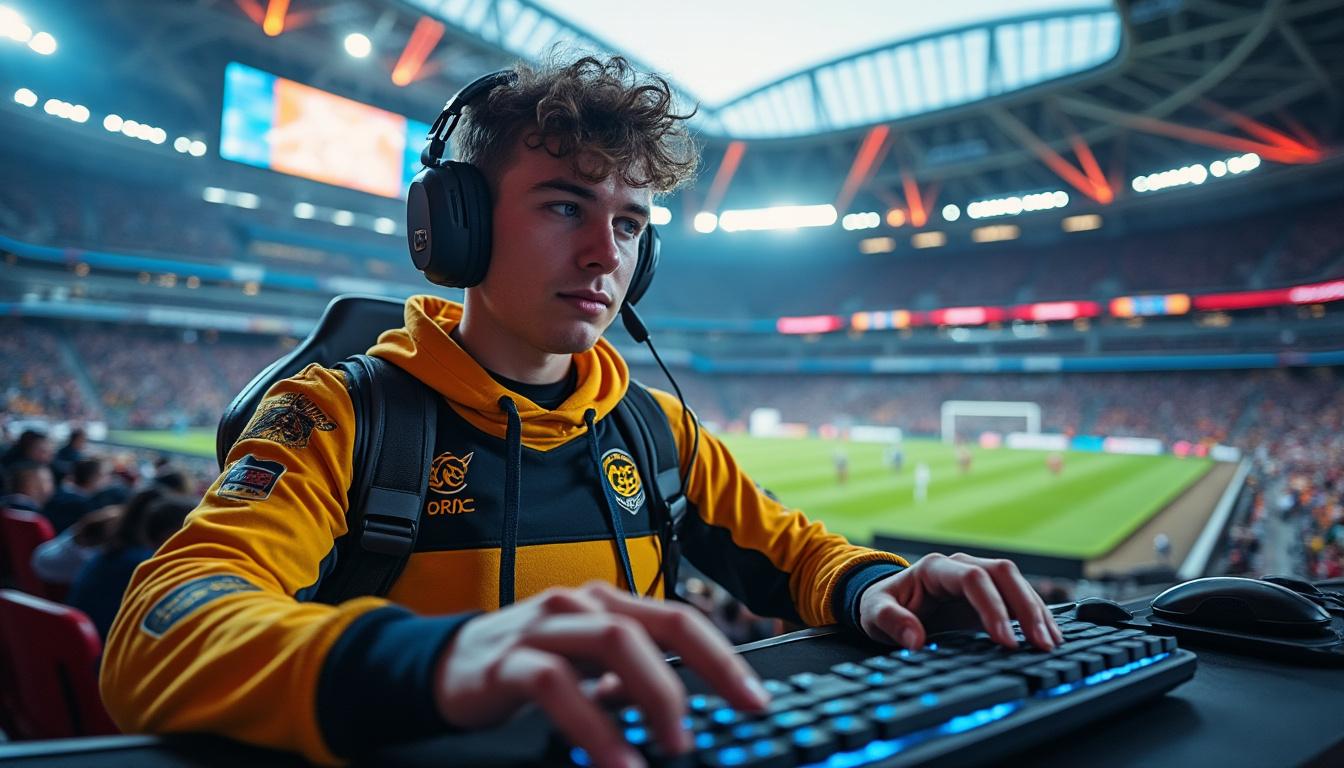
The esports arena is abuzz with anticipation as the Counter-Strike 2 major tournament slated for this December promises to redefine the hierarchy of competitive gaming on a global scale. The buzz surrounds more than just the prize pool or prestige; it’s a showdown where history could be rewritten, careers made, and legends born amid high-octane drama. Scheduled to run from November 24 to December 14 in the iconic city of Budapest, Hungary, this event is not only a tournament but a celebration of everything that breathes life into the CS2 championship circuit. As fans gear up, the excitement comes from a perfect storm of revamped tournament structures, fresh map lineups, and a fiercely competitive field that could realign global rankings like never before.
For years, Counter-Strike has been a pillar of competitive gaming, standing tall with unmatched intensity and fan engagement. Now, with the latest iteration, Counter-Strike 2, 2025 ushers in significant changes that elevate the stakes. From a larger roster of 32 elite teams battling across four grueling stages to the reinsertion of the classic map Train, every element is meticulously designed to test player resilience and strategic finesse. The tournament’s surroundings in Budapest, a city steeped in cultural energy and historic grandeur, set an electric backdrop where top-tier esports talent will collide in their quest for supremacy.
What makes this December event a potential fulcrum in the esports year is Valve’s move to phase out old ranking mechanisms in favor of their official ranking system that emphasizes not just consistency but also competitive integrity. This new approach, combined with Valve’s open competition ethos and the discarding of franchise leagues, fosters a more dynamic, merit-driven environment. This guarantees that every match matters and that underdog stories could emerge with incredible force. Moreover, tournament organizers retain some flexibility to invite teams based on legacy and recent performances, preserving a balance between tradition and innovation.
Beyond the internal shifts, the tournament also symbolizes the global reach of Counter-Strike 2 esports. From MENA region qualifiers in the UAE and Qatar to new multi-million dollar events in Belgrade and India, the competitive landscape continues to widen. Fan enthusiasm is further stoked by interactive experiences such as the PPro Guesser and SSkin Guesser mini-games that deepen engagement and appreciation for pro players’ skills and weapon mastery. This synergy of competition, innovation, and fan participation sets the stage for a remarkable few weeks where stakes soar and the rankings shake-up could be one for the history books.
- An expanded Major tournament featuring 32 teams across four distinct competition stages
- Return of the iconic Train map, replacing Vertigo in the competitive pool
- Valve’s official ranking system replacing the RMR for more fairness and transparency
- Record-breaking prize pools with multiple $1 million+ tournament events worldwide
- Emergence of new regions in the esports spotlight with MENA and India hosting major events
Revamped Tournament Structure: The New Heartbeat of CS2’s December Major
The most compelling headline heading into the December CS2 major tournament is the radical transformation of the tournament framework itself. Valve has expanded the competition from 24 to 32 of the world’s top teams, injecting a fresh and fierce competitive spirit. This increase not only intensifies the battle for supremacy but offers a broader platform for emerging talents and storied veterans alike to prove their mettle.
The introduction of a four-stage format — Stage 1, Stage 2, Stage 3, and Playoffs — marks a departure from the previous three-stage setup. Designed around a Swiss format for the initial phases, this method ensures teams must consistently adapt and fight hard to advance. Unlike single-elimination brackets that punish a single bad game, the Swiss system rewards teams that show resilience across multiple matchups, creating a day-to-day thriller for fans and a strategic puzzle for coaches.
Regional qualifiers remain a crucial layer, funneling teams from Europe, Americas, and Asia-Pacific into the global fray, reflecting Counter-Strike 2’s international diversity. The elimination of the old RMR system in favor of Valve’s centralized ranking further levels the playing field, promising a more transparent, meritocratic path for teams battling to secure their spots.
This structural overhaul ensures every match counts while spotlighting tactical ingenuity, stamina, and adaptability. Challengers can no longer depend on a lucky streak; instead, sustained excellence across multiple games becomes the key to securing playoff positions. The tournament format amplifies tension and drama, pulling spectators right into the heart of the action.
With such dynamic changes on the horizon, organizations and fans alike are already strategizing around this new echelon of competition. It pushes every team to rethink game plans, optimize rosters, and fine-tune the synergy needed to claim victory. The stakes have never been higher, and the stage is set for an epic journey towards global dominance in the world of esports.



Strategic Gameplay Evolves: Map Changes and Format Innovation Spark Fresh Rivalries
One of the most electrifying twists of the December tournament is the return of the legendary Train map, replacing Vertigo in all official matches. This move has set the analytics teams and tacticians abuzz, as Train’s unique layout demands a very different style of play compared to Vertigo’s vertical complexity.
Train is notorious for its long sightlines, complex bombsite executions, and multiple flanking routes, pushing teams’ coordination and communication to the limit. The map’s return shifts the meta, forcing pro players to adapt strategies they might not have prioritized in recent years. Teams that thrive on aggressive mid-control or require pinpoint sniper placements might find new opportunities or challenges, intensifying the tactical battles on every round.
In tandem with the map swap, Valve’s elimination of franchise leagues in favor of open competition heralds a major paradigm shift. This approach empowers tournament organizers to innovate. For instance, ESL Pro League organizers can still grant direct invitations based on prior achievements, but overall, the system prioritizes dynamic qualification and open accessibility.
Adding intrigue, PGL plans to stage four $1.25 million events this year, placing a premium on high-stakes gameplay with the addition of third-place matches and best-of-five finals to heighten drama. BLAST further shakes things up with innovative Bounty tournament formats, where teams discover their opponents only in the final rounds. This unpredictable thrill-factor is set to captivate viewers and deepen the competitive ecosystem.
These innovations keep the fans riveted and demonstrate the scene’s vitality, ensuring no two events ever feel the same. The evolving landscape challenges every player to raise their game, and for spectators, it means fresh narratives and riveting esports action every time.


Record-Breaking Prize Pools and Global Growth Define CS2’s Competitive Horizon
Competitive gaming’s economic footprint scaled new heights in 2025, and the December Counter-Strike 2 major stands at the apex of this surge. With the esports scene expanding globally, prize pools are breaking records to reflect the game’s growing prestige and fan base.
Compared to six million-dollar prize events in 2024, 2025 triples that figure with at least eleven tournaments offering $1 million+ prize pools. The StarLadder StarSeries Season 20 in Budapest boosts expectations for an incredible showdown. Simultaneously, the FISSURE Playground events in Belgrade promise two million-dollar-plus tournaments that not only fuel fierce competition but highlight emerging esports hubs.
India’s Skyesports Masters earning Tier-S status signals an exciting growth in South Asia’s esports market. Meanwhile, the MENA region receives a major shot in the arm with two YaLLa Compass tournaments in UAE and Qatar expanding competitive opportunities for Middle Eastern teams. The Esports World Cup’s prize pool surge to $1.25 million illustrates the escalating investment and belief in Counter-Strike’s lasting global appeal.
| Event | Location | Prize Pool | Dates |
|---|---|---|---|
| StarLadder StarSeries Season 20 | Budapest, Hungary | $1,000,000+ | Nov 24 – Dec 14 |
| FISSURE Playground Series (2 Events) | Belgrade, Serbia | $1,000,000+ each | Dates TBA |
| Skyesports Masters | India | Tier-S Prize Pool | 2025 |
| YaLLa Compass (2 Events) | UAE & Qatar | Million+ Prize Pool | 2025 |
| Esports World Cup 2025 | Global (Various) | $1,250,000 | 2025 |


PGL and Intel Extreme Masters Inject New Excitement with Format Overhauls
Legacy tournament organizers are not resting on past laurels. PGL is steering multiple high-profile events, including stops in Cluj-Napoca, Bucharest, Astana, and Belgrade. Each of these tournaments carries a hefty $1.25 million prize pool, with fresh twists like third-place matches to increase competitive stakes beyond the final clash, ensuring every match has something critical on the line.
Intel Extreme Masters (IEM) continues to cement its status as a cornerstone of CS2 esports, hosting five international events that culminate in the legendary IEM Katowice and IEM Cologne tournaments. Both feature $1 million prize pools and, for the first time, all final matches will adopt a best-of-five format. This format deepens the contest intensity, demanding endurance and adaptability as fan-favorite teams duke it out in longer, more strategic battles.
Meanwhile, BLAST is not only entertaining fans with innovative tournament designs but also intensifying suspense where teams face unknown rivals until late in the competition, a novelty that amplifies unpredictability and excitement. These decisions nurture diversity in competitive experiences and provide fans with thrilling narratives while motivating players to push limits.


Global Competition Dynamics: How December’s Event Will Shake Up Rankings
The biggest draw of this December event lies in its potential to upset the established global rankings. With Valve’s new ranking system taking center stage, every match’s impact on a team’s position is magnified. Past performances count less in isolation, pushing consistent, sharp gameplay entire seasons to the forefront.
European teams traditionally dominate the CS2 scene, but the expanded tournament and rising regional qualifiers from the Americas and Asia-Pacific ensure fresh contenders can make waves. Notable storylines include potential underdog triumphs and clashing playstyles that may catch current champions off guard. A surge from newly spotlighted teams can recalibrate the landscape dramatically.
This tournament serves not just as an isolated event but as a critical waypoint in the annual esports calendar, where pro players demonstrate their mastery under immense pressure. The outcome could birth new rivalries, extend legacies, or accelerate the rise of future champions, with implications stretching well beyond Budapest.
For ongoing details and live streams of this landmark event, fans can follow the official StarLadder Budapest stream. Additionally, related insights into esport dynamics and event forecasts can be found at Game Awards 2025 Prime coverage. For those interested in maximizing gains from esports activities, strategies at Maximize Profits Sports Betting provide in-depth guides. DreamHack Stockholm’s recent CS2 tournaments offer relevant context and inspiration at DreamHack Stockholm CS2.
What makes the December CS2 major tournament stand out?
The tournament introduces a new format with 32 teams, the return of Train map, updated ranking systems, and record-breaking prize pools that enhance its significance in shaping global rankings.
How does Valve’s new ranking system affect team invitations?
Valve replaces the RMR system with an official centralized ranking system ensuring fairness and inviting teams based on consistent performance rather than regional qualifiers alone.
What innovative tournament formats are PGL and BLAST introducing?
PGL introduces third-place matches and best-of-five finals in major events, while BLAST presents unpredictable Bounty tournament formats with unknown opponents until late competition rounds.
Which regions are emerging as new powerhouses in CS2 esports?
Besides Europe and Americas, MENA with UAE and Qatar events, and South Asia with India’s Skyesports Masters, are rising rapidly, creating more diverse and competitive global scenes.
Where can fans watch live streams and follow updates of the December major?
Fans can watch live and get updates on the official StarLadder Budapest stream and follow esports news on multiple platforms including Game Awards 2025 Prime and DreamHack Stockholm CS2 coverage.