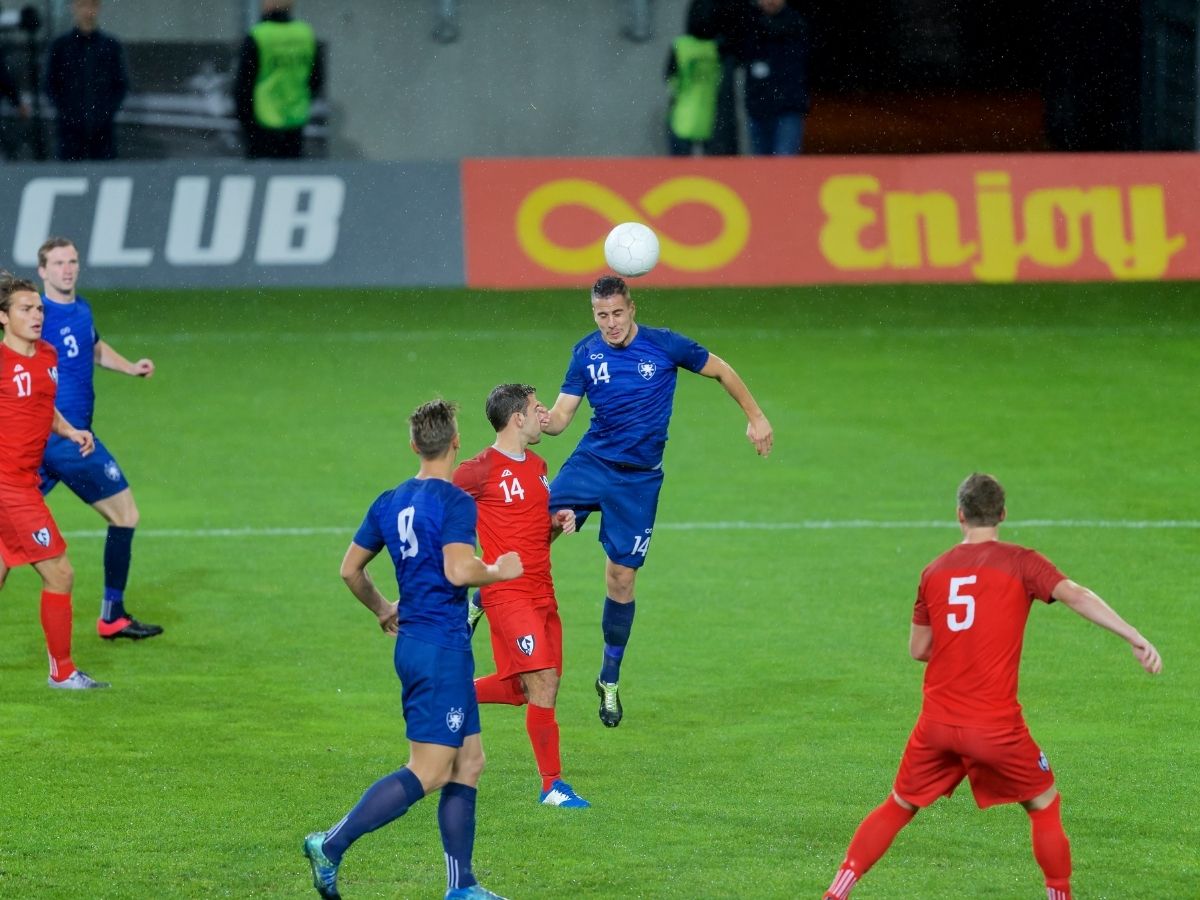
The UEFA Europa League is reaching a fever pitch on October 30, 2025, as fans across Europe brace for the decisive moment that will determine who storms into the thrilling knockout stage. The tournament’s revamped format, introduced in 2024, has already electrified stadiums and living rooms alike, with every match pulsating with passion, strategy, and raw emotion. As clubs jockey for position in the league phase, the mix of seasoned veterans and daring debutants is crafting a narrative rich in drama and unpredictability.
From powerhouses backed by global brands such as Adidas and Nike to underdog teams sponsored by rising corporate giants like Enterprise Rent-A-Car and FedEx, the stakes have never been higher. The knockout stage, beginning shortly after October 30, promises a gauntlet where every tackle, goal, and save counts for legacy and glory. With squads finely tuned and fans roaring for glory, the question on everyone’s mind is simple yet electrifying: who will advance and etch their name into Europa League history?
Key points to watch leading to October 30:
- The intensified competition in the league phase featuring a mix of traditional clubs and newcomers like Aston Villa.
- Crucial matchups influenced by strategic partnerships with global brands such as Puma and New Balance, adding a fitness and morale edge.
- The evolving tactical battle where coaches, inspired by winning strategies seen in the Champions League, push their teams to the limits.
- The pivotal role of sponsors like Heineken and PlayStation that amplify fan engagement through innovative platforms and immersive viewing experiences.
- The drama of qualification nuances, with teams balancing domestic league challenges alongside European ambitions.
Analyzing the Europa League Group Stage Dynamics Before the Knockout Cut
The Europa League’s restructured group stage in 2025 has introduced a fresh intensity that amplifies each team’s urgency to secure their berth in the knockout phase. With 36 clubs competing in a single league format, every matchday since September has been a battleground of skill, endurance, and tactical acumen. By October 30, teams will have played up to five critical games, with their fates hanging by the slenderest of margins.
Teams like Roma and Porto, representing Pot 1, are wrestling with pressure to assert their dominance early. Meanwhile, sides like Go Ahead Eagles and Nottingham Forest, making debut appearances, channel a fearless energy that refuses to be underestimated. Aston Villa, under the guidance of Unai Emery—a manager famed for his Europa League success—stands out as a dark horse, pushing the boundaries despite their relative inexperience.
Tactical ingenuity is front and center. Some clubs employ high press systems, others adopt deep defensive blocks, hoping to counterattack efficiently. The competition has also seen strategic squad rotations, influenced by the physical demands across multiple competitions, including clashes with Champions League hopefuls filtered down after their own qualifications.
- Teams in Pot 1 need to consolidate points to avoid the risk of the knockout play-offs.
- Pot 2 sides must strategize to climb past seasoned competitors and advance directly.
- Pot 3 and 4 clubs aim to shock with aggressive, fast-paced football that destabilizes favorites.
- The influence of sponsorship muscle, such as Adidas’ cutting-edge gear and Puma’s innovative kits, adds performance boosts that can tip finely balanced contests.
- Sponsor visibility is key in televised matches, often elevating team morale and fan support, crucial in home fixtures.
| Pot | Notable Teams | Appearance Status | Key Challenges |
|---|---|---|---|
| Pot 1 | Roma, Porto, Dinamo Zagreb, Lille, Real Betis | Regular Contenders | Maintain top spots for direct Round of 16 qualification |
| Pot 2 | Aston Villa, Bayer Leverkusen, Real Sociedad | Mixed experience | Break the dominance by Pot 1; claim knockout advantages |
| Pot 3 | SC Freiburg, PSV Eindhoven, Torino | Mid-table battlers | Secure points to avoid early playoff rounds |
| Pot 4 | Nottingham Forest, Bologna, Go Ahead Eagles | Debutants | Stage surprise-acts and earn playoff qualification |
Predictive Insights Into Clubs Likely to Advance Post-October 30 Fixtures
By the time October 30 arrives, the Europa League group phase tensions will have peaked with standings clarifying who lifts the curtain on the knockout stage directly and who faces playoff battles. The landscape is a riot of football stories shaped by intense battles, last-gasp goals, and strategic gambits.
Veteran teams showing consistency, such as Roma and Porto, are expected to clinch the top spots, leveraging their experience and tactical discipline learned over European campaigns. Aston Villa, powered by the visionary touch of Unai Emery and energized by their first appearance, stands ready to overachieve, potentially upsetting the established order.
More unpredictable are the performances from teams like SC Freiburg and Torino, who blend youthful energy with tactical grit, making them dark horses for advancement. The influence of commercial partnerships fuels many teams — jerseys made by New Balance and Puma provide more than just aesthetics; they symbolize high performance, while marketing campaigns by sponsors like KIA and Hankook bring global attention and financial muscle.
- Top tier teams are backing experience with innovative scouting, blending young talents who thrive under pressure.
- Money from sponsors like Enterprise Rent-A-Car boosts club facilities, enhancing player recovery and travel logistics, vital during intense European schedules.
- Fan engagement driven by PlayStation promotions increases team morale, turning away venues into hostile territories for visitors.
- Advanced data analytics, inspired by strategies gleaned from Champions League winners, are redefining in-game tactics.
- The knockout stage promises a mix of stability from seasoned clubs and unpredictable sparks from eager challengers.
| Team | Group Position (Projected) | Qualification Path | Strengths |
|---|---|---|---|
| Roma | 1st | Direct to Round of 16 | Experience, tactical resilience |
| Aston Villa | 2nd | Potential Round of 16 entrant | Emery’s tactics, passionate squad |
| Porto | 1st or 2nd | Direct or playoffs depending on matches | Strong defense, European pedigree |
| SC Freiburg | Mid-table contender | Knockout phase playoffs hopeful | Stamina, youthful vigor |
| Nottingham Forest | 4th | Playoffs or group exit | Fresh enthusiasm, underdog spirit |
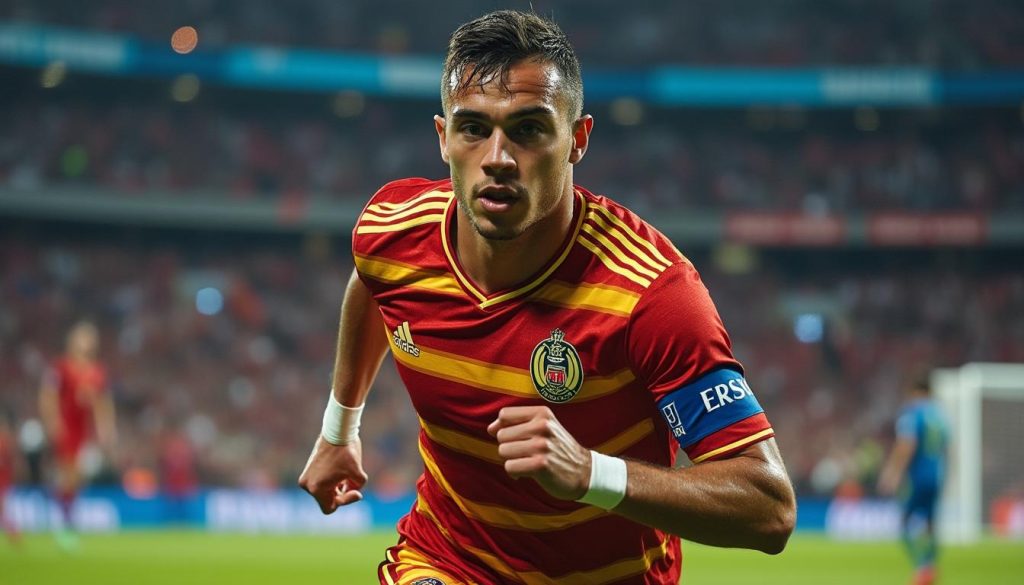
The Critical Role of Sponsorship and Brand Influence on Europa League Outcomes
Funding and brand partnerships shape the very fabric of Europa League clubs in 2025. Adidas, Nike, Puma, and New Balance form the trinity of kit suppliers powering athletes with innovative gear designed to enhance performance and comfort under pressure.
Off the pitch, sponsors like Heineken and KIA enhance the spectacle with strategic marketing and fan engagement activities worldwide, cementing the Europa League’s standing as a global football festival. PlayStation’s involvement has introduced interactive fan zones and virtual competitions, adding a layer of digital excitement that resonates with younger audiences.
Sponsorship extends beyond jerseys and billboards; companies such as Enterprise Rent-A-Car and FedEx provide logistical and operational support vital in managing the demanding fixture lists and travel schedules.
- Clubs with strong sponsor backing often enjoy superior training facilities and recovery options.
- Brand investments translate into enhanced fan experiences during match days, heightening emotional connections.
- Global sponsorships accelerate the Europa League’s reach, attracting new fans across continents.
- Equipment innovations from New Balance and Puma provide marginal gains crucial in close contests.
- Marketing tie-ins with Heineken and PlayStation boost viewership, intensifying pressure on teams to perform.
| Sponsor | Contribution | Impact on Teams |
|---|---|---|
| Adidas | Performance kits, branding | Enhances player agility and recovery |
| Nike | Innovative footwear and gear | Boosts player speed and control |
| Puma | Custom kits and cleats | Provides comfort and design edge |
| Heineken | Fan engagement events | Elevates matchday atmosphere globally |
| PlayStation | Digital fan experiences | Engages younger demographics, increases loyalty |


Strategic Implications for Teams Entering the Europa League Knockout Phase Post-October 30
The knockout phase of the 2025 Europa League is where the blinding spotlight of world football intensifies. Starting with the knockout phase playoffs in late February, teams that advance from the league phase face a tactical chess game where mistakes are magnified and brilliance rewarded.
Preparation involves deep analysis of opponents, careful player rotation, and psychological resilience. Clubs that have experienced the pressure cooker of the Champions League, or whose squad compositions boast Champions League veterans, have a distinct advantage. Many teams incorporate insights from winning strategies in the Champions League to polish their approach.
The unique challenge for newcomers lies in adapting quickly to the knockout’s ruthless pace. Squads often rely on the unyielding support of their sponsors, including logistics and psychological aids from FedEx and Enterprise Rent-A-Car, which ensures smooth away trips and less fatigue.
- Use of advanced video analysis to exploit opponents’ weaknesses.
- Maintaining squad fitness through rotation supported by premium sportswear brands.
- Adapting playing style from expansive to pragmatic as situations demand.
- Heightened media and fan pressure requiring mental toughness.
- Capitalizing on home advantage amplified by vibrant fan support and sponsor-driven ambiance.
| Knockout Stage Phase | Date | Key Tactical Focus | Challenges |
|---|---|---|---|
| Knockout phase playoffs | February 19-26, 2026 | Aggressive approach, minimizing errors | Adapting to new opponents rapidly |
| Round of 16 | March 12 & 19, 2026 | Balanced defense and attack | Squad fatigue management |
| Quarter-finals | April 9 & 16, 2026 | Strategic possession and counter-attack | Handling pressure of elimination games |
| Semi-finals | April 30 & May 7, 2026 | High intensity, psychological warfare | Maintaining composure and focus |
Where and When: The Road to the Europa League Final in Istanbul
The climax of the 2025/26 Europa League season will be staged at Besiktas Park in Istanbul on May 20, 2026. This venue, pulsating with football history and modern grandeur, will host the final for the very first time. Known for hosting the thrilling 2019 UEFA Super Cup between Liverpool and Chelsea, the stadium offers a fierce and passionate atmosphere conducive to epic football showdowns.
This final is more than a title — it’s a gateway. The winner gains automatic access to the next Champions League season, elevating the stakes beyond just one trophy. Istanbul’s vibrant fan culture, supported by local and international sponsor activations, will ensure this match is a global spectacle.
Fans worldwide will have access to live streams powered by platforms dedicated to comprehensive coverage, such as those found on streaming services for Champions League and Europa League matches. For players, lifting the trophy at Besiktas Park will etch their names forever among Europe’s elite.
- Final match scheduled for May 20, 2026
- Besiktas Park offering cutting-edge facilities and a fervent fanbase
- The winner gains a ticket to the UEFA Champions League 2026/27
- Global broadcast will feature innovations powered by sponsors like Heineken and PlayStation
- Intense preparation by finalists with strategies tailored for a historic night
| Event | Date | Location | Significance |
|---|---|---|---|
| Europa League Final | May 20, 2026 | Besiktas Park, Istanbul | First Europa League final at this venue; Champions League qualification prize |
How does the revamped Europa League format affect qualification?
The new single league phase with 36 teams increases competition intensity, requiring consistent performance across nine games to secure advancement either directly or through playoffs.
Which teams are considered favorites to advance after October 30?
Teams like Roma, Porto, and Aston Villa are strong candidates due to their experience, tactical setups, and sponsorship support enhancing their resources.
What role do sponsors play in the Europa League atmosphere?
Sponsors provide critical financial support, innovative fan engagement, and equipment enhancements that boost player performance and elevate matchday experiences.
When and where will the 2026 Europa League final take place?
The final is set for May 20, 2026, at Besiktas Park in Istanbul, promising a historic and emotionally charged ceremony.
How can fans watch the Europa League matches live?
All games are available live online through dedicated streaming services, ensuring global access to every thrilling moment.