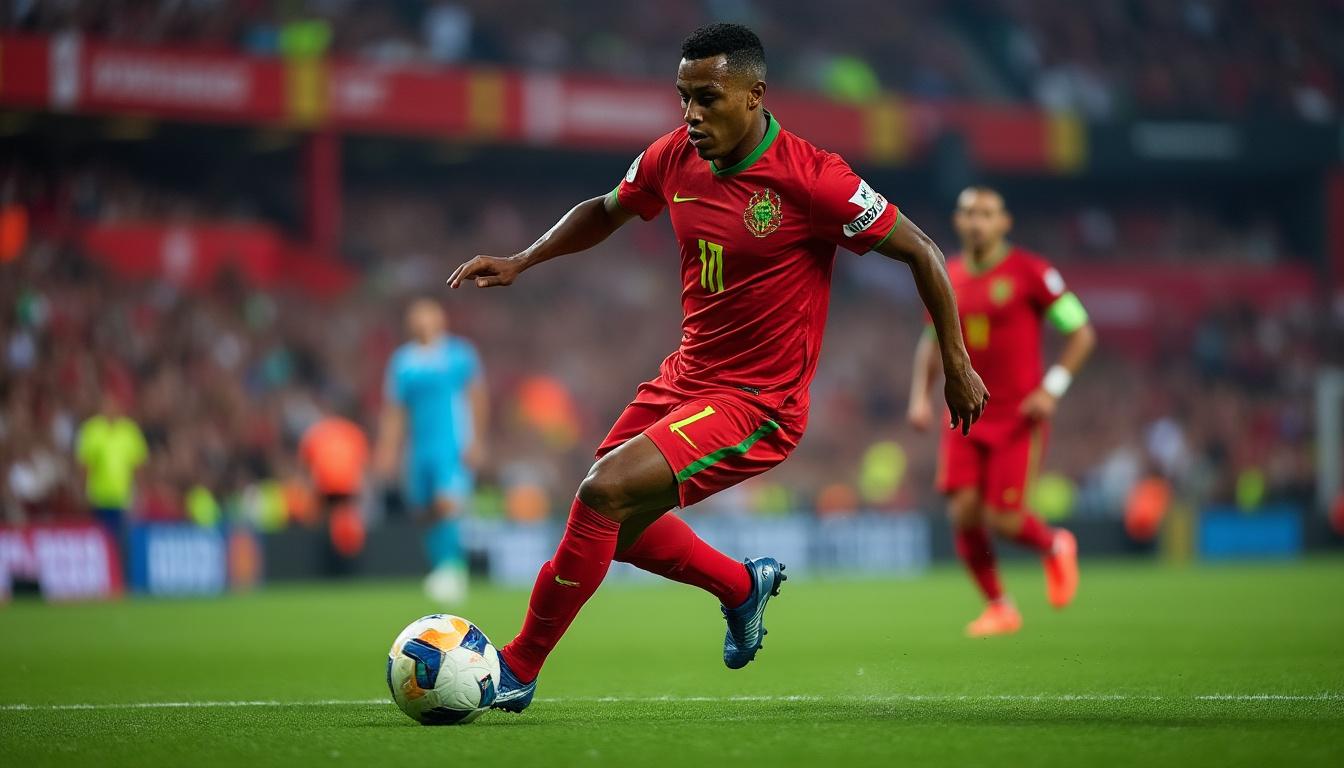
The 2025 Africa Cup of Nations (AFCON) is not just another football tournament—it signals a grand stage where Morocco, the host nation, is poised to embrace the immense pressure of playing on home soil while steering the continent’s most passionate football celebration. As the December 2025 kickoff approaches, Morocco is meticulously orchestrating every detail of the competition, seeking to convert home advantage into a tactical edge. This football tournament transcends the boundaries of the pitch; it represents a climactic moment for the Atlas Lions and millions of fans who live and breathe continental football. The stakes are electrifying as Morocco faces its opening matches in front of fervent, expectant crowds, making the ability to manage pressure an essential component of their preparation. With 24 national teams converging across seven cities, Morocco’s high-pressure start at home will set the tone for an unforgettable AFCON experience.
Key points to watch out for:
- Morocco’s comprehensive stadium upgrades across six vibrant cities are turning AFCON 2025 into a showcase of modern football infrastructure and fan festivities.
- The Atlas Lions’ strategic blend of seasoned veterans and dynamic young talents spells a tactical concoction designed to thrive under pressure in front of home crowds.
- Fan experiences and travel infrastructure are tailored to amplify the atmosphere, with integrated ticketing and high-speed rail connecting key host cities for seamless movement.
- The tournament’s timing in winter offers a milder climate suitable for both players and fans, setting a stage vastly different from traditional summer AFCON editions.
- Preparation milestones throughout 2024 and 2025 ensure Morocco is battle-ready to host one of the continent’s most anticipated football spectacles.
Morocco’s Home Advantage: Transforming Stadiums into Fortresses for AFCON 2025
Morocco’s journey to hosting the African Cup of Nations 2025 is more than just a logistical feat; it is a bold manifestation of ambition translating into physical reality. The country is not only leveraging its love for football but also enhancing seven premier stadiums with state-of-the-art refurbishments that marry tradition with innovation.
Key stadiums, such as the Prince Moulay Abdellah Stadium in Rabat, have seen complete modernisation. This stadium, with its newly installed roofing and hospitality suites, is poised to host critical group stage matches and a quarter-final encounter. The stadium’s riverfront location augments the fan experience with vibrant fan parks sprawling along the Bouregreg.
Meanwhile, the Grand Stade de Marrakesh exhibits an artistic touch, with its renovations infusing Berber cultural patterns into contemporary design—a mix aimed at igniting local pride and international awe. The stadium will serve as a home fortress for the Moroccan team, serving as a gathering spot for spirited local and international supporters.
Elsewhere, Tangier’s Ibn Batouta Stadium, fresh from hosting the 2023 Club World Cup, presents upgraded hospitality tiers and enhanced sightlines, coupled with a ferry-friendly travel plan facilitating easy fan access from Europe. The northern corridor including Tétouan’s Sania Ramel Stadium complements the network with intimate venues vested with modern amenities that ensure close contact between fans and the fervor of the pitch.
- Stadium refurbishments include enhanced media centres to boost broadcast quality, fostering a vivid representation of African football to global audiences.
- Fan zones featuring live performances and interactive exhibits surround host stadiums, building electric atmospheres beyond match time.
- Eco-conscious upgrades like solar-powered shading and water recycling reflect Morocco’s commitment to sustainability alongside sport.
| Host City | Stadium | Capacity | Main Features |
|---|---|---|---|
| Rabat | Prince Moulay Abdellah Stadium | 68,700 | Modern roofing, hospitality suites, fan parks |
| Marrakesh | Grand Stade de Marrakesh | 45,240 | Blends Berber patterns with contemporary design |
| Tangier | Ibn Batouta Stadium | 75,000 | Upgraded views, ferry-supported fan access |
| Tétouan | Sania Ramel Stadium | 21,000 | Intimate atmosphere, enhanced seating |
| Agadir | Adrar Stadium | 45,480 | Coastal fan villages, solar-powered shading |
| Fez | Fez Stadium | 45,000 | Accessibility upgrades, artisan-themed media centre |


The Atlas Lions’ Preparation: Balancing Pressure and Performance on Home Ground
Under the stewardship of Coach Walid Regragui, the Moroccan national team embodies a strategic fusion of experience and youthful vigor, meticulously designed to harness the potent home advantage but also to gracefully shoulder the intense expectations of the host nation’s fans. Managing the high-pressure start is as much about psychological resilience as tactical prowess.
The backbone of the team lies in the stalwart defence led by captain Romain Saïss, a figure synonymous with calm leadership and unwavering spirit. Alongside him, Achraf Hakimi’s electrifying wing play epitomizes the team’s attacking fluidity—a crucial blend when the crowd’s energy surges through the stadium.
The midfield engine, powered by Sofyan Amrabat, Azzedine Ounahi, and Bilal El Khannous, offers a mixture of brute strength and creative ingenuity to sustain possession and unlock defensive lines. Meanwhile, up front, young forwards like Abde Ezzalzouli and Walid Cheddira inject speed and a sharp eye for goal that promises to unsettle opponents not just physically but mentally.
- Training regimens rotate across Rabat, Marrakesh, and northern coastal bases to acclimatise players and simulate various match conditions.
- Psychological teams focus on pressure management techniques such as mindfulness and scenario planning, helping players convert the pressure of home expectations into performance fuel.
- High-profile friendlies scheduled against African heavyweight sides serve to sharpen competitive edges and adjust tactical setups in real time.
- Integration of emerging talents from the Mohammed VI Football Academy ensures depth and future-proofing of the squad.
| Player Role | Key Players | Attributes | Contribution |
|---|---|---|---|
| Defence | Romain Saïss (Captain) | Leadership, tactical discipline | Organises backline, stabilizes defense |
| Wing | Achraf Hakimi | Speed, crossing ability | Creates goal-scoring opportunities |
| Midfield | Sofyan Amrabat, Azzedine Ounahi | Physicality, creativity | Controls tempo, presses opponent |
| Forwards | Abde Ezzalzouli, Walid Cheddira | Pace, finishing | Attacking threat, goals |
| Goalkeepers | Bono | Shot-stopping, experience | Last line of defence |

AFCON 2025 Stadium Experience and Fan Journey Across Host Cities
The spectacle of AFCON 2025 extends well beyond the pitch, with Morocco’s commitment to delivering an unmatched fan experience that weaves together football, culture, and seamless travel. The host cities—Casablanca, Rabat, Marrakesh, Tangier, Fez, Tétouan, and Agadir—are upgrading their transport infrastructure to match the influx of global supporters anticipated for this major football tournament.
Central to the fan experience is the integrated ticketing system linking with Morocco’s advanced transport network. Fans can travel effortlessly on the Al Boraq high-speed train connecting Tangier, Rabat, Casablanca, and Marrakesh, supported by dedicated bus lines and expanded ferry services from Europe—making the journey part of the tournament’s adventure.
- Fan zones in each city offer live Afrobeat performances, local delicacies, and interactive football museums enriching the tournament atmosphere during match downtime.
- Transportation packages that bundle stadium entry with rail and bus tickets offer convenience and reduce congestion on match days.
- Expanded hotel options from luxury riads to budget-friendly hostels cater to a diverse fan base, emphasizing comfort and cultural immersion.
- Security and public health protocols have been refined to ensure safety without dampening the passion and freedom of the fan experience.
| Host City | Main Stadium | Transport Connectivity | Fan Zone Highlights |
|---|---|---|---|
| Casablanca | Mohammed V Stadium | International airport, rail, taxis | Seaside Corniche festivals, culinary tours |
| Rabat | Prince Moulay Abdellah Stadium | High-speed rail, riverfront fan parks | Historical sites tours, cultural showcases |
| Marrakesh | Grand Stade de Marrakesh | International airport, bus lines | Souks night market, Berber cultural events |
| Tangier | Ibn Batouta Stadium | Ferry access, regional rail | Coastal music festivals, art exhibitions |


Pressure Management and the High-Stakes Opening Matches for Morocco
Beginning a major continental tournament like AFCON 2025 as the host nation brings an extraordinary cocktail of excitement and expectation. The Moroccan team’s opening matches are high-pressure defining moments that can dramatically set the tone for their campaign. Home advantage is a double-edged sword—while stadiums brim with supporters, so too does the weight of the nation’s hopes and aspirations.
Morocco’s coaching staff has incorporated specialized pressure management tactics into the team’s preparation. Sports psychologists work closely with players to hone concentration, stress-resilience, and confidence. They simulate hostile atmospheres and magnified expectations to prepare the squad for critical moments.
- Developing in-game routines to maintain focus despite roaring crowds.
- Encouraging leadership on the pitch to distribute responsibility and calm nerves.
- Structured media engagements to shield players from distraction and funnel energy positively.
- Promoting unity between fans and the team, fostering a collective spirit that lifts performance.
| Pressure Challenge | Management Strategy | Expected Benefit |
|---|---|---|
| Overwhelming crowd expectations | Mindfulness and controlled breathing exercises | Calmness and heightened focus during matches |
| Media and public scrutiny | Media training and message discipline | Reduced off-pitch distractions |
| Intense matchday atmosphere | Simulated crowd noise and pressure scenarios | Game-day composure and resilience |
With the opening match scheduled against Comoros, Morocco’s high-pressure start will be broadcast globally, signaling the official igniting of AFCON 2025. Fans hoping to witness every moment can stay informed about ticket releases and related updates at this AFCON 2025 ticket platform.
AFCON 2025: A Continental Football Festival Poised for Legacy and Impact
Beyond the thrill of competition lies AFCON 2025’s greater promise: to embed a legacy of growth, community connection, and sustainability in Morocco and across Africa’s football landscape. The investments made are not ephemeral but designed to ignite grassroots football, nurture women’s tournaments, and build infrastructure that benefits future generations.
Morocco’s dedication to legacy is reflected in:
- Renovating local pitches in over 30 communities, providing young talents places to train and play.
- Launching talent identification camps focused on accelerating women’s football in every host region, supporting inclusivity and equal opportunity.
- Implementing environmental initiatives such as solar-powered sections in stadiums and water recycling, returning respect to the natural surroundings of the host cities.
- Utilizing AFCON 2025 as a rehearsal for the 2030 FIFA World Cup, embedding lessons and refining capacities in stadium management, public transport coordination, and fan engagement.
| Legacy Initiative | Description | Expected Impact |
|---|---|---|
| Grassroots Pitch Renovations | Upgrading playing fields in 30+ communities | Boost youth participation and local football culture |
| Women’s Football Acceleration | Talent camps and inclusive programs | Enhanced talent pool and visibility for women’s football |
| Green Infrastructure | Solar energy and water recycling at venues | Reduced environmental footprint of the tournament |
| World Cup Preparation | Operational rehearsals for 2030 hosting | Improved event management and fan services |
Fans and stakeholders eager to delve deeper into the unfolding drama can catch up with extensive African football replays and analyses by visiting African football replays. Moreover, anticipating dynamic surprises, underdog teams hold the potential to redefine tournament narratives; their stories and impacts are well chronicled at a comprehensive AFCON 2025 underdogs guide.
When does the AFCON 2025 tournament officially start?
AFCON 2025 kicks off on December 21, 2025, and runs through January 18, 2026.
How many teams are competing in AFCON 2025?
A total of 24 national teams from across Africa will compete in the tournament.
What measures has Morocco taken to manage the pressure on their national team?
Morocco has employed psychological strategies, such as mindfulness and media training, alongside training in simulated high-pressure scenarios to prepare the team for the tournament’s intensity.
Can fans from Europe access AFCON host cities easily?
Yes, with upgraded ferry services into Tangier and charter flights into Agadir and Marrakech, European fans have convenient options to travel.
Where can I buy tickets for AFCON 2025 matches?
Tickets are available through official platforms via the Yalla App registration process; details and updates are available on the official ticketing site.