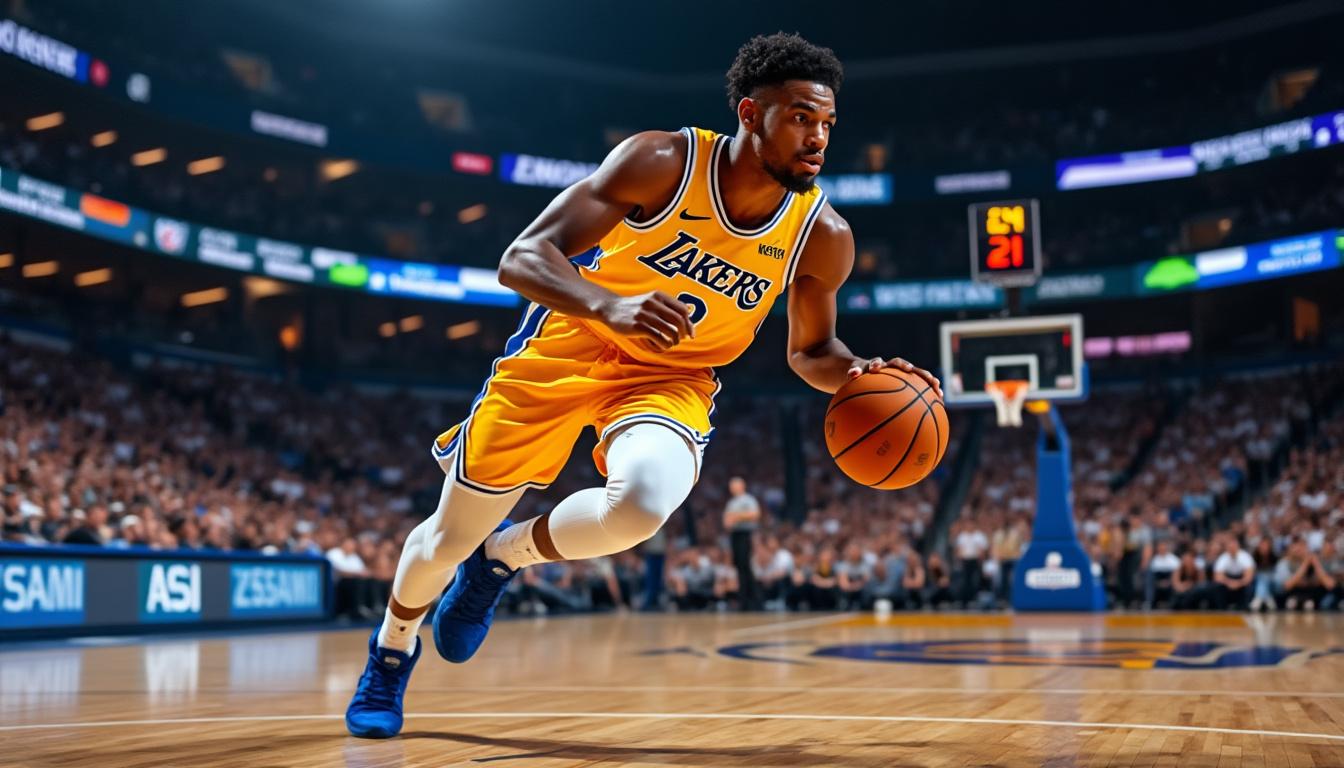
The 2024-25 NBA season has unfolded with a captivating surge of rookie talent disrupting the established order and raising compelling questions about the trajectory of not only individual careers but the league’s future. As new faces step onto the hardwood with unprecedented impact, the momentum generated by rising rookies like Victor Wembanyama and Scoot Henderson is reshaping team dynamics, fan expectations, and strategic calculations by coaching staffs. This wave of youthful energy, skill, and adaptability is thrilling basketball enthusiasts while also forcing franchises to reconsider their long-term visions and immediate tactical approaches.
Already, rookie performances have become pivotal narrative drivers across arenas, with some draft picks defying expectations and others struggling to find their footing. The spotlight shines brightest on franchise cornerstones-in-the-making who possess a rare blend of physical attributes and basketball IQ. Their rapid assimilation into NBA systems illustrates the evolving nature of player development, where adjustment speed is as critical as raw talent. This rookie momentum is not simply a passing phase; it challenges the stability of veteran hierarchies and compels teams to recalibrate strategies for a season packed with unpredictable outcomes.
Evaluating the rookie class’s growing influence uncovers multiple layers—individual skill breakthroughs, the reshaping of team roles, and even the shifting competitive balance among conferences. The excitement around rookies thus transcends pure athleticism, encompassing a broader conversation about the NBA’s continued innovation and its commitment to nurturing the next generation who will redefine basketball’s global appeal. The season ahead promises intensified debates, thrilling matchups, and transformative developments fueled by these rising stars whose emergence demands close attention from all basketball stakeholders.
In brief:
- Victor Wembanyama stands out as a generational talent combining towering height with guard-like agility, delivering a multifaceted rookie impact.
- Scoot Henderson brings explosive athleticism and leadership, rapidly anchoring the Trail Blazers’ backcourt.
- Other promising rookies such as Ausar Thompson, Cason Wallace, and Cooper Flagg are shaping new team strategies and influencing competitive dynamics.
- The rise of rookies is pushing franchises to rethink player development models and immediate game plans amid an evolving NBA landscape.
- Fan enthusiasm for the rookie class is infusing fresh drama and unpredictability into the 2024-25 NBA season’s narrative fabric.
NBA Rookie Performances Redefining Player Development Expectations
The 2024-25 NBA season’s rookie crop has accelerated conversations about how player development pathways are evolving, with early-season performances turning heads and establishing new benchmarks. Among the most scrutinized is Victor Wembanyama, the San Antonio Spurs’ first overall pick, whose blend of size and skill challenges traditional role definitions. Wembanyama’s ability to handle the ball, shoot from various ranges, and dominate defensively as a shot-blocker is poise beyond his years, making him a revolutionary prototype for the modern big man.
Unlike past rookies who may have thrived chiefly in one domain, this class’s standout players are embracing versatility from the outset. Scoot Henderson of the Portland Trail Blazers exemplifies this trend. Drafted second overall, he has assumed a primary ball-handler role and leads with energy and decisiveness. His aggressive drives, court vision, and evolving shooting touch illustrate how rookies today are expected to deliver comprehensive impacts quickly.
Development is no longer about patience alone; it demands immediate productivity. This shift strains coaching staffs to integrate rookies into complex NBA systems without sacrificing performance. It creates unique challenges in balancing minutes between experience and raw talent while fostering growth within intense competitive settings.
Beyond Wembanyama and Henderson, players such as Ausar Thompson of the Detroit Pistons and Cason Wallace from the Oklahoma City Thunder have impressed with their adaptability and flashes of brilliance. Their rookie impact resonates in how teams are restructuring offenses and defensive schemes, recognizing that these young athletes can significantly influence game outcomes.
Addressing this rookie momentum requires an expanded definition of player development—one where mental fortitude, basketball IQ, and resilience matter as much as physical gifts. These rookies capture fans’ imagination not simply through highlight reels but through showing an acute understanding of basketball’s nuances and their coach’s trust-making immediate contributions vital to team success.
Core factors driving this rookie-driven shift in development
- Multi-skilled versatility: Rookies displaying guard skills regardless of positions.
- Adaptability to pace: Rapid acclimatization to NBA speed and physicality.
- Game intelligence: Early demonstration of court vision and decision-making.
- Emotional maturity: Managing pressure and expectations as rookie leaders.
- Coaching integration: Systems tailored dynamically to harness rookie strengths.
With these elements accelerating rookie development, the conversation now turns to how franchises can maintain this momentum long-term while managing pressures that come with rapid stardom.

How Rising Rookie Momentum is Shaping Team Strategy and Season Dynamics
Rising rookies are no longer mere adjuncts to veteran squads; they are catalysts driving strategic shifts. Teams are recalibrating rotations, playcalling, and defensive assignments to maximize rookie impact. The San Antonio Spurs’ strategy with Victor Wembanyama epitomizes this transition, designing offensive sets that leverage his unique ability to stretch defenses and protect the rim simultaneously.
Similarly, Portland’s reliance on Scoot Henderson signals a broader willingness to entrust rookies with high-pressure roles early. Henderson’s explosive style demands pace-up offenses that prioritize quick transitions and aggressive scoring attempts. Coaches are tweaking their approaches to these player strengths, often unlocking new tactical wrinkles to exploit rookie skills.
These strategic evolutions ripple through the season, altering matchups and influencing playoff races. The infusion of rookie talent adds layers of unpredictability, forcing opponents to prepare for fresh threats rather than familiar experienced roles. This has increased the significance of the NBA’s midseason trade deadline and adjustments as teams jockey for positioning.
Other notable rookie-driven strategic changes include the Dallas Mavericks increasingly integrating Cooper Flagg’s rebounding and defensive intensity, while Detroit voices high hopes in Ausar Thompson’s capacity to energize offense and defense simultaneously. These examples illustrate how rookies are becoming linchpins in operational plans rather than developing side projects.
Examples of rookie-driven strategic shifts:
| Team | Rookie | Strategic Role | Impact on Season |
|---|---|---|---|
| San Antonio Spurs | Victor Wembanyama | Franchise centerpiece; defense & offense ruler | Elevates club competitiveness; redefines pace |
| Portland Trail Blazers | Scoot Henderson | Primary ball-handler and playmaker | Accelerates transition game; leadership development |
| Dallas Mavericks | Cooper Flagg | Defensive anchor and rebounding force | Improves defensive ratings; energizes bench unit |
| Detroit Pistons | Ausar Thompson | Two-way wing scorer and defender | Versatility boosts overall team performance |
These rookies have become essential to their team strategies, impacting coaching decisions and the overall landscape of the NBA season ahead. The dynamic rookie contribution signals a new era where young players are not just future potentials but immediate difference-makers shaping the competitive narrative.
Fan Engagement and the Emotional Impact of Rookie Breakouts Amidst NBA Drama
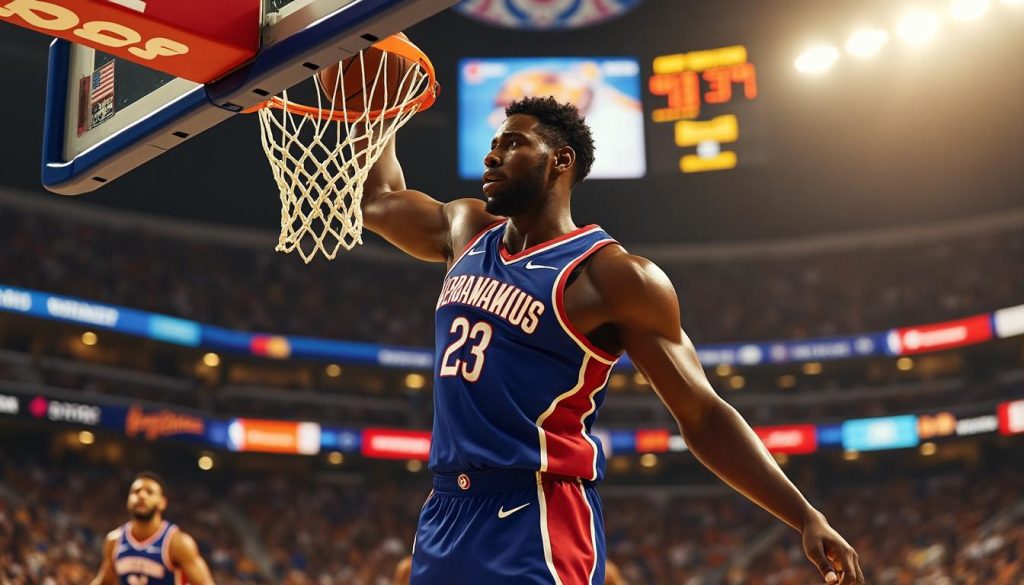
The rise of the NBA’s newest crop of talent has ignited fan enthusiasm across the league, infusing fresh emotion into arenas. Rising rookies connect with audiences by embodying hope, unpredictability, and the promise of greatness. Victor Wembanyama’s phenom status, highlighted by his seamless blend of size and skill, has drawn global attention, creating a renewed buzz that reaches far beyond traditional fanbases.
Social media platforms are abuzz with clips of Scoot Henderson’s relentless drives and clutch plays, amplifying rookie narratives and fostering fan debates about their potential and place among NBA legends. This emotional engagement has fueled arenas’ energy, with increased attendance and viewership numbers reflecting fans’ desire to witness imminently historic careers taking shape.
The rookies’ journeys also inject drama into the season’s storyline fabric. Teams like the New Orleans Pelicans and Oklahoma City Thunder have seen their rookie stars emerge as bright spots amid difficult campaigns, turning struggles into bittersweet narratives of growth and aspiration. Such stories deepen fan bonds, offering personal and communal investment in each rookie’s progress and setbacks.
This rookie momentum also invites reflection on the emotional toll of NBA life for young athletes, balancing soaring expectations with performance pressure. Understanding these dynamics enhances fan appreciation, making every game a shared rollercoaster of triumphs and trials.
Key ways rookie breakouts enhance fan connection:
- Inspiration: New heroes symbolize fresh chapters and dreams fulfilled.
- Unpredictability: Rookies create suspense with surprise performances.
- Relatability: Fans witness rookies’ human struggles and achievements.
- Interactive excitement: Transforming social media and arena atmospheres.
- Legacy building: Rooting for the future legends of basketball.
The emotional dimension of rookie momentum reinforces why following the NBA season ahead is about more than scores—it’s a living, breathing saga engaging fans worldwide.
Challenges and Questions Raised by the Rising Rookie Momentum for the Season Ahead
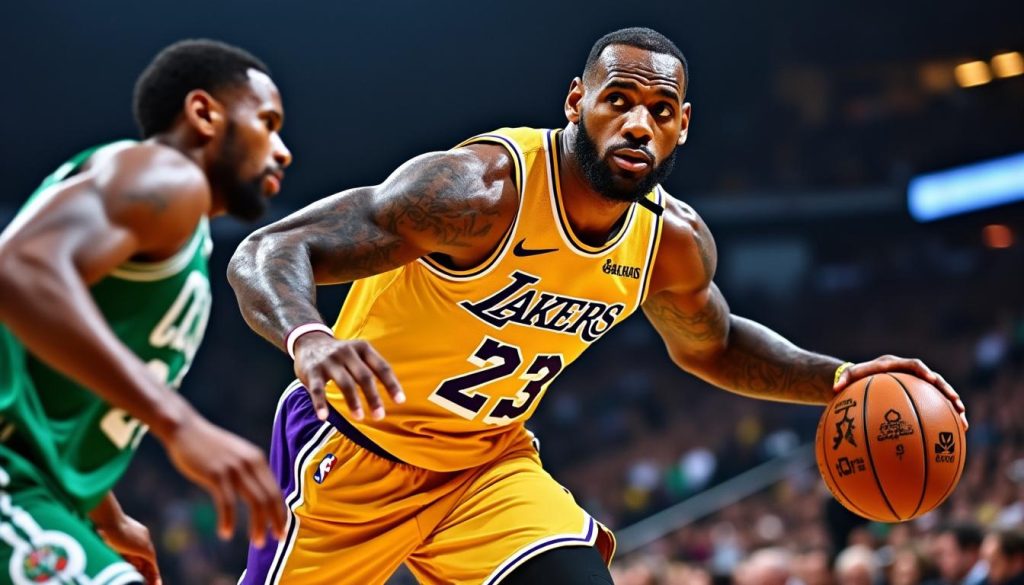
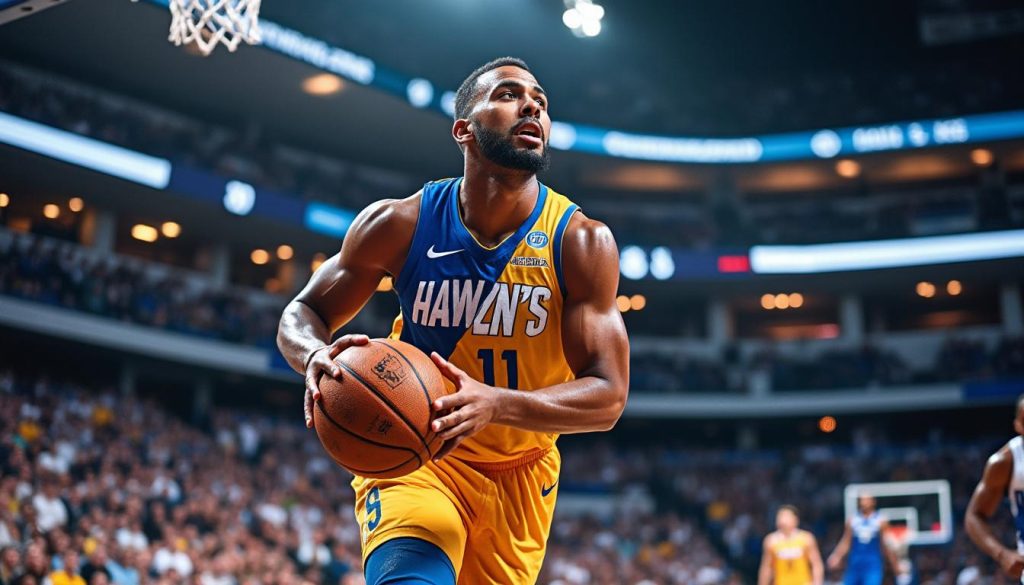
Despite the electrifying momentum surrounding the rookie class, several pressing questions now loom over the NBA season’s horizon. Teams, coaches, and analysts alike grapple with how to sustain rookie development without hampering team chemistry or overtaxing young players physically and mentally. The rapid elevation of rookies to starring roles invites scrutiny on workload management and realistic performance expectations.
Moreover, while the rookie surge generates excitement, it also complicates roster construction. How do franchises balance veteran presence with rookie potential? What risks accompany relying heavily on first-year players in critical moments? The season ahead will reveal much about the viability of these rookies as foundational pillars versus transient sparks.
Additional considerations include adapting team defense and bench depth to accommodate less experienced players without sacrificing competitiveness. The health of rookies, particularly amid a grueling 82-game schedule and potential playoff pushes, remains a wildcard that could define trajectories.
There is also the question of how the league’s marketing strategies might recalibrate to emphasize rookies as faces of the future, leveraging their fresh appeal in global basketball outreach and fan base expansion. This strategic branding alongside player development will be pivotal in harnessing the rookie momentum for sustainable growth.
Major inquiries shaping the rookie momentum discourse:
- Workload management: Can rookies handle the physical and psychological demands of immediate stardom?
- Team chemistry: How do coaches blend rookies with established veterans for cohesion?
- Long-term planning: Are current rookies true franchise pillars or experimental talents?
- Marketing appeal: How will the league capitalize on rookie stories for fan engagement?
- Performance consistency: Can rising rookies maintain production over a full NBA season?
Addressing these challenges will shape how rookie momentum influences the NBA’s evolving narrative and competitive architecture. It’s a delicate balance between harnessing youthful exuberance and mitigating risks inherent in entrusting game-changing responsibility to emerging players.


Impact of Rookie Momentum on the NBA’s Future Landscape and Legacy
The ripple effect of an impactful rookie class reverberates beyond a single year, setting the stage for the NBA’s strategic and cultural future. Victor Wembanyama’s arrival as a transcendent talent resets expectations not only for rookies but for how teams scout, draft, and build rosters around multi-dimensional players. The infusion of rising rookies who deliver immediate influence signals a paradigm shift where the league’s next decades hinge on young stars stepping up early and evolving rapidly.
As this momentum builds, franchises must think beyond short-term wins and consider how these players integrate into broader potential dynasties, international market expansions, and the sport’s global footprint. The emotional resonance and fan engagement sparked by rookies add to the NBA’s legacy of transcending sport to become a cultural phenomenon.
Player development innovations, like advanced analytics and personalized training regimens, are increasingly focused on maximizing rookie impact while preserving longevity. This shift provides compelling narratives of rising stars not only adapting to the NBA but transforming it, their rookie momentum forming the blueprint for generations to come.
Ultimately, this rookie surge invites comparisons to past groundbreaking classes and highlights the cyclical nature of NBA evolution. The interplay between youthful momentum and veteran experience creates dynamic seasons where fans experience the full spectrum of basketball’s excitement, hope, and drama.
For fans eager to keep pace with these developments, the best place to stay updated on the latest NBA rookie insights and performances is through trusted resources like NCAA basketball future stars analysis and NBA MVP ladders tracking season progress, keeping the pulse on both basketball’s present and coming wave of talent.
Who is the most impactful rookie of the 2024-25 NBA season?
Victor Wembanyama is widely considered the most impactful rookie this season, blending unique physical traits with exceptional skill, making him a franchise cornerstone for the San Antonio Spurs.
How are teams adjusting their strategies to incorporate rising rookies?
Teams are redesigning rotations and playbooks to highlight rookie strengths, allowing these young players to take on leadership roles earlier and influence both offensive and defensive schemes.
What challenges do rising rookies face during the NBA season?
Rookies often grapple with physical demands, mental pressure, and the need to quickly learn complex systems, all while meeting high expectations from fans and teams.
Can rookie momentum affect fan engagement?
Absolutely. Rookies bring fresh excitement and unpredictability that galvanize fans, creating emotional connections and enhancing the overall atmosphere during games.
Where can fans follow the latest updates on NBA rookies?
Fans can stay informed through specialized sports coverage like the NCAA basketball future stars analysis and the NBA MVP ladder updates, which provide in-depth insights into upcoming talents and ongoing rookie performances.