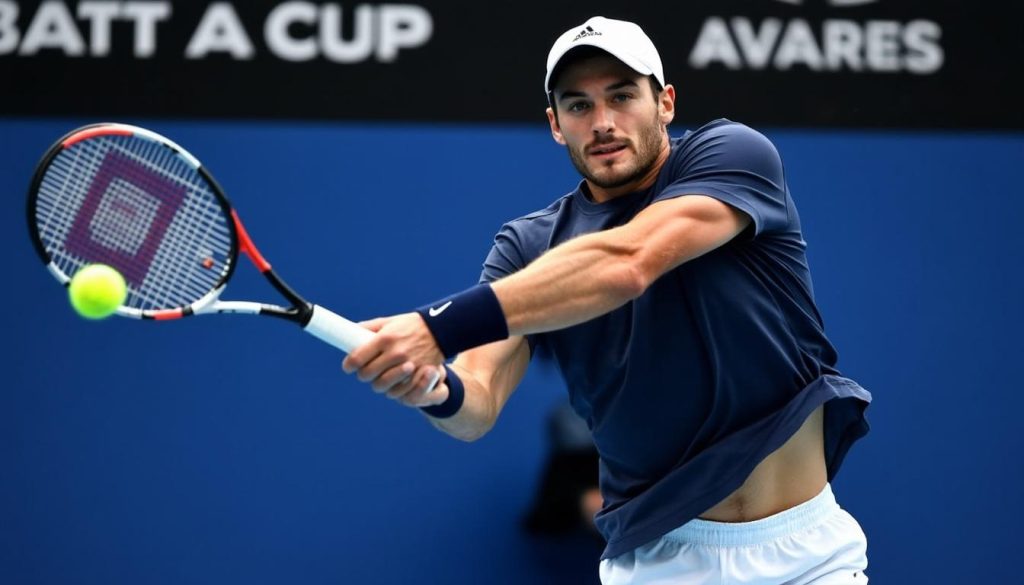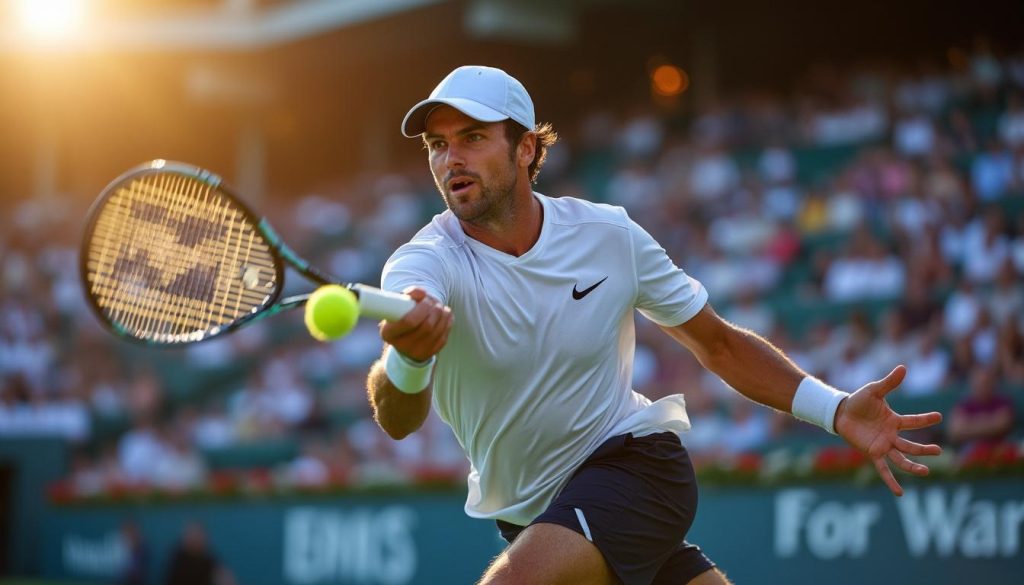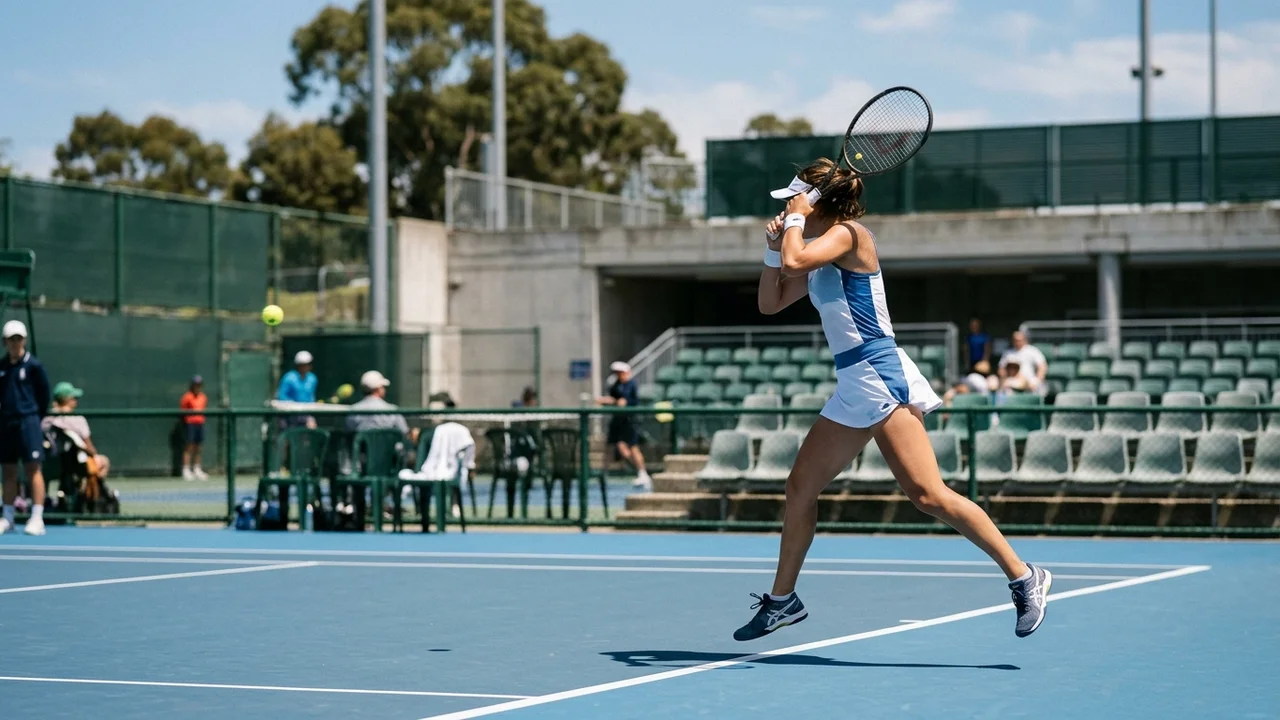
Alex Eala has produced one of the WTA Tour’s most efficient records against elite opposition in 2026. Entering the US Open at a career-best No 18, she owns a 7-3 record against top-10 opponents, good for a 70 percent win rate. Only Aryna Sabalenka, at 71.4 percent with a 5-2 mark, has posted a slightly better percentage among WTA players with substantial volume at that level.
Her rise from world No 53 to No 18 has been powered by repeated wins over the sport’s biggest names. Eala claimed her maiden WTA singles title at the Washington DC Open in July, a remarkable result for a player of her previous ranking. She beat No 10 Elina Svitolina in the quarterfinals, No 13 Naomi Osaka in the semifinals and No 3 Jessica Pegula in the final.
That Washington DC run accounted for two of her seven top-10 victories and showed her ability to sustain her level late in significant tournaments.

Eala has beaten top players across surfaces and events. Her 2026 ledger includes victories over Iga Swiatek (No 3) at Wimbledon, Svitolina (then No 8) and Elena Rybakina (No 2) in Berlin, Coco Gauff (No 4) at Indian Wells, and Jasmine Paolini (No 8) in Dubai. Her only three losses to top-10 opposition have come against Amanda Anisimova (No 10) at the Cincinnati Open, Rybakina in Rome, and Gauff in Dubai.
Ten matches against top-10 players also give Eala a larger sample than Sabalenka’s seven. Her career record now stands at 9-5 against top-10 players, putting the 2026 surge in line with a broader upward trend rather than a one-off run.
| Player | 2026 Top-10 Record | Win Percentage |
|---|---|---|
| Aryna Sabalenka | 5-2 | 71.4% |
| Alex Eala | 7-3 | 70.0% |
The variety of those wins points to Eala’s ability to adjust. She has beaten aggressive baseliners like Rybakina, counter-punchers such as Svitolina, and all-court players like Pegula. Her Washington DC title run also showed she could raise her level in critical moments, beating higher-ranked opponents in back-to-back matches.
The North American hardcourt swing has brought another dimension to her rise. Eala has become a consistent crowd-puller, selling out venues and attracting significant fan attention.
Her popularity has also affected the conversation around Grand Slam scheduling. Patrick McEnroe has advocated for her matches to be staged on larger courts to match audience demand. At the Australian Open, Eala was relegated to a side court despite huge queues, prompting calls for organisers to better recognise her drawing power, especially considering the large Filipino communities in cities like Melbourne and New York.
Eala enters the US Open after her mixed doubles campaign ended in a first-round loss alongside Felix Auger-Aliassime. Gael Monfils and Elina Svitolina handed them a 4-1, 4-1 defeat, with a $20,000 prize for the exit.
The singles record carries far more weight: 7-3 against the top 10, a first move into the top 20, and a US Open draw filled with opponents Eala has already shown she can beat.