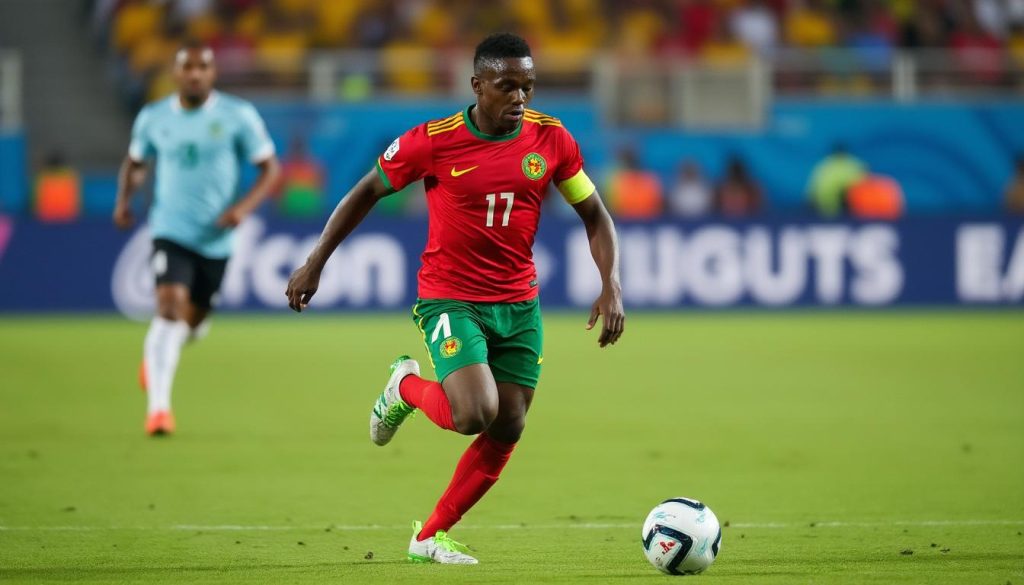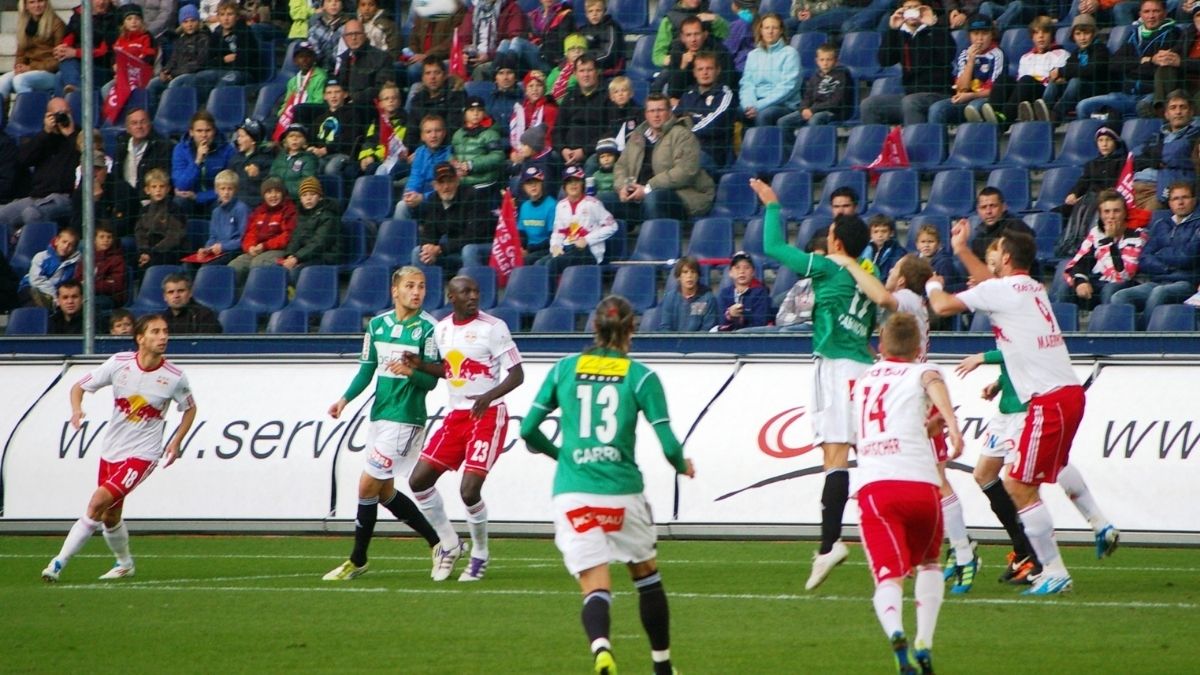
On October 26, 2025, the Santiago Bernabéu will be more than just a stadium; it will be the battleground where two football titans clash in a match that transcends sport. Real Madrid and Barcelona’s rivalry is steeped in history, passion, and identity, pushing the boundaries of tactics and individual brilliance. The 2025 edition promises a fusion of classic rivalry with cutting-edge strategic innovation — pressing traps, transition keys, and pressing battles will dominate the narrative. From the electric energy of the crowd to the rapid-fire tactical shifts on the pitch, this El Clásico marks a defining moment in LaLiga’s unfolding saga, where every pass, press, and counterattack carries monumental weight.
The stakes are sky-high with Barcelona seeking to extend their lead atop LaLiga and Real Madrid eager to reclaim their dominance after a stellar campaign that is as much about heart as it is about skill. As Adidas, Nike, Puma, and Under Armour gear the warriors on both sides, the game unfolds like a high-stakes chess match where tactical discipline meets raw speed. Gatorade fuels the endurance battle, Heineken cheers echo in the stands, and brands like EA Sports, Mastercard, and Audi amplify the global spectacle surrounding this clash. At the core, the game is an exhilarating display of tactics—the pressing traps that seek to suffocate attacks, the transition keys that often spell chaos or control, and the relentless battle for midfield command.
Probing this duel’s intricacies requires a deep dive into formations, player roles, and match phases that dictate the outcome. The clash of Real Madrid’s vertical menace, characterized by Kylian Mbappé and Jude Bellingham, against Barcelona’s wide overloads led by Lamine Yamal and Pedri sets the stage for tactical fireworks. This article charts the strategic landscape of the 2025 El Clásico, dissecting pressing maps, pressing traps, and transitional movements that will define the evening’s drama on and off the pitch.
This is more than a match—it’s an epic battlefield where every inch signals a grand narrative of football’s evolving art and emotional stakes.
- High Stakes and Identity Clash: The 2025 El Clásico tests tactical innovation and legacy.
- Pressing Traps as Game Changers: Both sides deploy layered presses to disrupt rhythm.
- Transition Keys Unveiled: Quick turnovers and counterattacks hold the game’s momentum.
- Tactical Maps Illuminate Movement and Space: Wide overloads, inverted fullbacks, and midfield triangles.
- Star Players as Tactical Pillars: Mbappé, Bellingham, Yamal, and Lewandowski drive team strategies.
Detailed Tactical Map Analysis of Real Madrid vs Barcelona Clashes
The tactical map presents a dynamic canvas where Real Madrid and Barcelona not only contest the ball but orchestrate space and pressure with razor-sharp precision. Historically, Real Madrid’s structure banks on a 4-3-3 or hybrid 4-4-2 formation that flexes based on possession, leveraging Kylian Mbappé’s explosive vertical runs and Jude Bellingham’s smart positioning to stretch Barcelona’s defensive line.
Barcelona counters with a strategic emphasis on width and interior triangles. Young star Lamine Yamal influences the map heavily on the right flank with his early crosses and clever cutbacks, creating an overload that pins Real Madrid’s fullbacks in precarious positions. Player roles shift constantly: Barcelona’s wide players frequently invert, pulling the opponent’s defensive line out of shape and opening lanes for through passes or late arrivals like Pedri, who patiently controls tempo from central zones.
Real Madrid utilizes its tactical map to control space behind Barcelona’s pressing lines. Vinícius Júnior’s diagonal carries exploit the blind side, while Aurélien Tchouaméni and Federico Valverde execute quick circulations to flip the field and transition between defense and attack. The fullbacks’ positioning plays a pivotal role in Real’s defensive shape; Dani Carvajal and Ferland Mendy decide how far upfield Madrid can push without risking counterattack exposure.
List: Core Tactical Map Elements
- Wide overloads from Barcelona’s wingers, often supported by overlapping fullbacks.
- Inverted fullbacks pressing into midfield traffic to create compact zones.
- Deep midfield triangles dictating tempo and feeding late runs into the box.
- Real Madrid’s vertical runs to exploit space behind Barcelona’s back line.
- Midfielders transitioning quickly to defense or attack depending on ball recovery.
Analyzing the periods of high pressing, the map shows clusters where both teams gamble on forcing errors. These pressing traps often appear around Barcelona’s advanced midfield and in Real Madrid’s final third, where bodies swarm the ball carrier, limiting passing options and inducing high-risk turnovers. Coaches from Adidas to Nike endorse these modern pressing philosophies that blend stamina, coordination, and intelligent reading of space.
| Team | Average Possession % | Sustained Pressure Zones | Number of Pressing Traps per Game | Key Player in Pressing |
|---|---|---|---|---|
| Real Madrid | 55% | Final third, central midfield | 18 | Kylian Mbappé |
| Barcelona | 60% | Right flank, central midfield | 22 | Lamine Yamal |
Such maps and stats highlight who controls the spatial narrative—the team that manipulates these tactical layers efficiently often dictates the critical moments and swings the xG (expected goals) equation in their favor. Learn more about strategic plays within football at stream-sport.com.
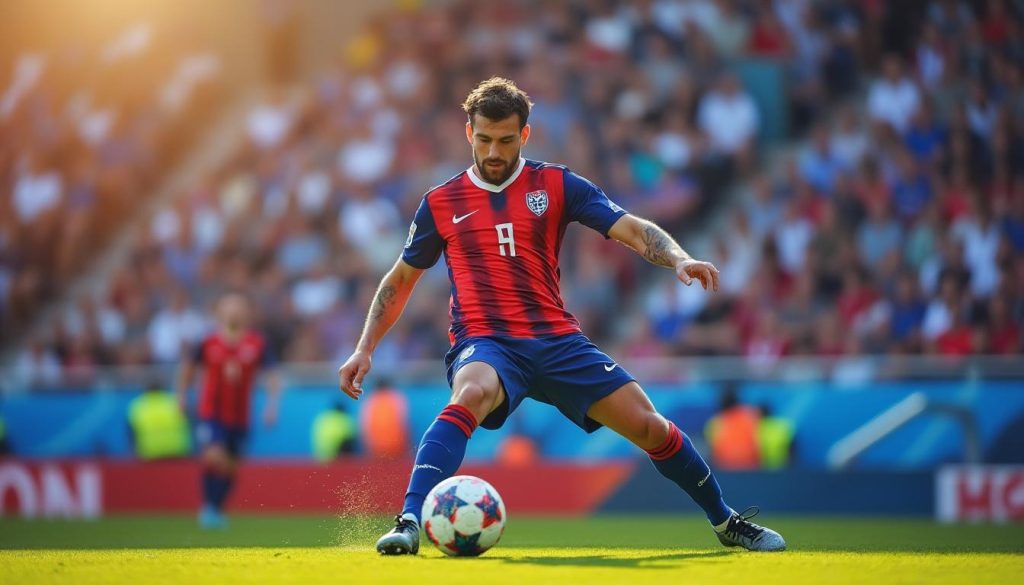
Mastering Pressing Traps: How Real Madrid and Barcelona Create Turnover Opportunities
Pressing traps remain a masterstroke in high-level football, and El Clásico epitomizes how subtle movement triggers relentless pressure waves. Both teams place continuous emphasis on pressing triggers—signals that cue teammates to close down space collectively, cutting off passing lanes and forcing rushed decisions.
Real Madrid’s pressing system banks heavily on Bellingham and Mbappé: the two frequently orchestrate aggressive double-teams near the midfield line. Their vertical presence compels Barcelona to play wide, where Real’s fullbacks and wingers lie in wait to spring traps on forced cross-field switches or hurried backpasses. The goal is to induce panic and force turnovers deep in Barcelona’s half, creating rapid counterattack chances. Vinícius Jr.’s explosive pace and dribbling add another dimension, luring defenders out of position before triggers activate a pressing cascade.
Barcelona’s pressing response is equally intricate. With Yamal and Pedri leading the frontline, Barcelona adopts a rhythmic press tuned to conserve energy yet maximize disruption. Fullbacks invert into midfield lanes to compress space, while wingers stretch Madrid’s defensive arcs to thin out defensive lines. The pressing trap often unfolds as a bait-and-switch: luring Real’s center-backs or midfielders into false passing lanes before snapping the trap shut with coordinated runs from supporting midfielders.
List: Elements defining pressing traps in El Clásico
- Coordinated team movements triggered by opponent’s body orientation or ball location.
- Use of double-teams at specific choke points, particularly in midfield and near penalty box.
- Inversion of fullbacks to congest midfield and deny central passing options.
- Triggering pressing cascades on forced long balls or lateral switches.
- Players maintaining intense physical match tempo to sustain pressing throughout 90 minutes.
| Pressing Metric | Real Madrid (per game) | Barcelona (per game) |
|---|---|---|
| Pressing Success Rate (%) | 74% | 79% |
| Turnovers Created in Final Third | 12 | 14 |
| Average Pressing Traps Set | 6 | 7 |
These pressing tactics reflect a game that embraces intense physicality and high IQ football. The interplay between stamina and precision is key—players backed by programs of brands like Puma and Under Armour ensure they avoid fatigue. Plus, hydration strategies involving Gatorade optimize recovery during brief lulls. The tactical art in these traps showcases football’s evolution as both a mental and physical battlefield.
Understanding the Role of Transition Keys in Controlling El Clásico Momentum
Transition moments—the seconds after possession loss or recovery—define modern football’s heartbeat. Mastering transitions means dominating the game’s rhythm and pouncing on fleeting disarray. In the 2025 El Clásico, transitions differentiate between chaos and calculated thrills.
Real Madrid’s strategy leverages rapid vertical passes pushing Mbappé and Vinícius Jr. into space for lightning counterattacks. Success here demands instant decision-making and precision. Eduardo Camavinga and Tchouaméni play pivotal transition roles, acting as pivot points to turn defense into offense in one touch. Their ability to resist pressing and flip field position accelerates Madrid’s counter logic.
Conversely, Barcelona uses structured rest-defense after turnovers, compressing the defensive third rapidly to deny space for Madrid’s direct runners. The communication between Koundé, Araujo, and their holding midfielders ensures swift regrouping. Offensively, Barcelona’s transition focuses on controlled build-up with passing triangles that immediately seek width and depth, exploiting real estate left by Madrid’s aggressive presses.
- Instant vertical releasing passes after ball recovery (Real Madrid’s hallmark).
- Compact defensive shape to limit counterattack lanes (Barcelona’s approach).
- Midfielders linking defense and attack quickly with precision-first touches.
- Wide players maintaining depth to stretch play during transitions.
- Goalkeepers initiating attack with accurate distribution under pressure.
| Transition Phase | Real Madrid Strengths | Barcelona Strengths |
|---|---|---|
| Attack-to-defense Transition | Fast pressing to regain ball, cutting passing lanes. | Rapid compact defense blocking key corridors. |
| Defense-to-attack Transition | Vertical direct passes leveraging speed of forwards. | Structured build-up favoring ball retention and overloads. |
| Counterpressing | Immediate counterpress actions to prevent opposition breaks. | Midfield congestion to stall opposition momentum. |
These transition keys world-class players execute are a testament to the evolving LaLiga style, with intensified focus on rapid ball movement enabled by sports science and training innovations linked to brands like Nike and Puma. For more insight into the competitive ecosystem around football, explore sports streaming and analytics resources.
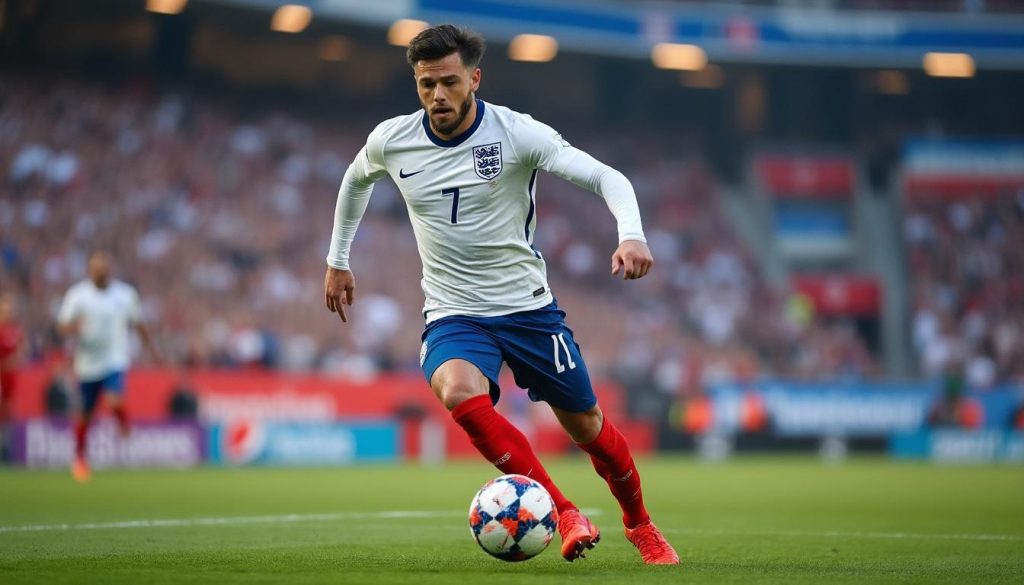
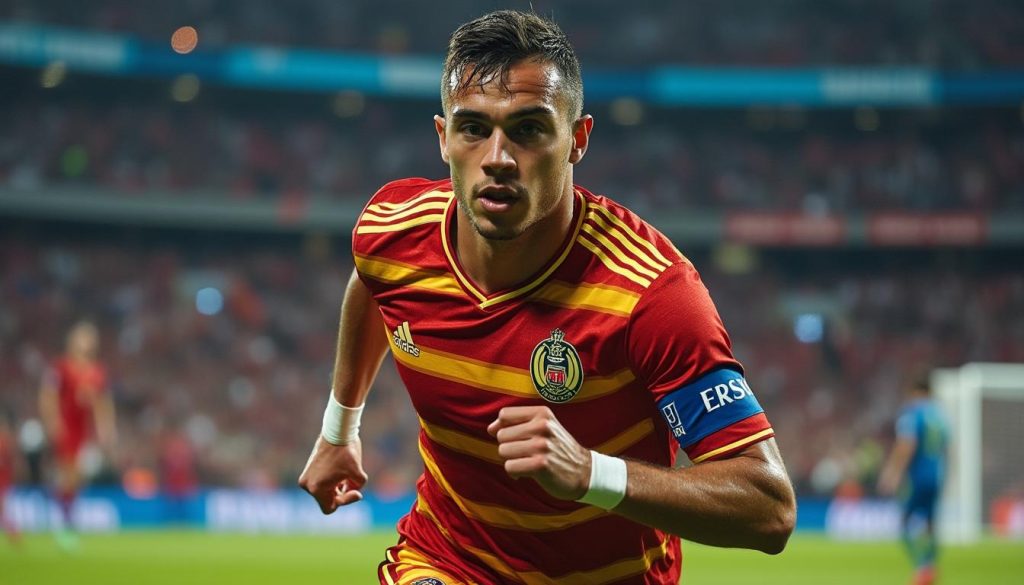
How Set-Pieces and Second-Phase Plays Shape the Tactical Battle
Set-pieces remain a crucial battleground where precision, planning, and player execution coalesce into some of the most dramatic moments of El Clásico. Barcelona historically capitalizes on the aerial power of Robert Lewandowski, commanding defenders during dead-ball situations. Equally significant are João Cancelo’s creative underlaps or inverted runs which disorient Real Madrid’s marking schemes.
Madrid replies with a balanced blend of physicality and timing, spearheaded by players like Thibaut Courtois, whose shot-stopping and aerial command provide a crucial last line of defense. Meanwhile, set-piece xG (expected goals) stats often reveal subtle edges in delivery quality and planning—Barcelona’s variety of delivery contrasts Real’s strength in contested boxes.
List: Key Set-Piece Factors Influencing El Clásico
- Variation in delivery: inswingers, outswingers, short corners.
- Decoy runs designed to create space for primary targets like Lewandowski.
- Goalkeeper positioning and communication dictating defensive setup.
- Timing of runs to beat the jump and win aerial duels.
- Post-set-piece transitions providing immediate offensive bursts.
| Set-Piece Type | Barcelona Success Rate (%) | Real Madrid Success Rate (%) |
|---|---|---|
| Corner Kicks | 26% | 22% |
| Free Kicks (in shooting range) | 18% | 15% |
| Throw-ins Leading to Shots | 12% | 10% |
Set-pieces also serve as transitional flashpoints where control shifts rapidly. Barcelona’s employment of quick restarts often leads to numerical superiority and goal-scoring opportunities before Madrid can reset defensively. Coordinating these moments requires exhaustive practice and seamless communication, qualities honed over seasons and enhanced by sport tech innovations, including the training kits from Adidas and Nike.


Fan Engagement, Media Impact, and the Cultural Phenomenon of El Clásico 2025
El Clásico 2025 extends beyond the pitch into a vibrant cultural spectacle captivating millions. Matchday culture amplifies passion with coordinated chants, fan displays, and digital engagement. Cafés and sports bars across the globe tune into every heartbeat, with fans actively engaging in online mini-games, polls, and second-screen activities between halves. Platforms streaming LaLiga and esports augmented reality tie-in experiences invite fans to a new realm of immersion reminiscent of the Valoran Champions finals and premier Premier League showdowns.
Media has become inseparable from the experience. Broadcasters powered by streaming platforms like EA Sports and Mastercard offer dynamic content enhanced by intelligent stats updates and interactive odds. Fans engage with multiscreen formats, sharing predictions and debates live. Between halves, casual mini-games like Aviator Zambia keep adrenaline pumping, linking real-world sport with digital entertainment seamlessly.
- Second-screen engagement amplifying fan connection.
- Esports and augmented reality integrating with traditional football fandom.
- Global viewing parties coordinated via social platforms.
- Brand partnerships elevating fan experiences around the game.
- Real-time data feeds driving interactive betting and fan polls.
| Engagement Metric | 2025 El Clásico Data |
|---|---|
| Global Viewership (million) | 730+ |
| Second-Screen Interaction (avg. per fan) | 3.4 activities |
| Esports Tie-in Participants | 120,000+ |
| Brand Impressions (Adidas, Nike, Puma, etc.) | 1.2 billion |
Whether it’s the physical roar inside Santiago Bernabéu or the digital chatter on social networks, the 2025 El Clásico embodies the spirit of a global football pilgrimage—a moment where fans united by Adidas, Puma, Gatorade, and Heineken live every pass and tackle together. For comprehensive coverage of the broader competitive landscape, including esports integration, see stream-sport.com’s augmented reality sports streaming insights.