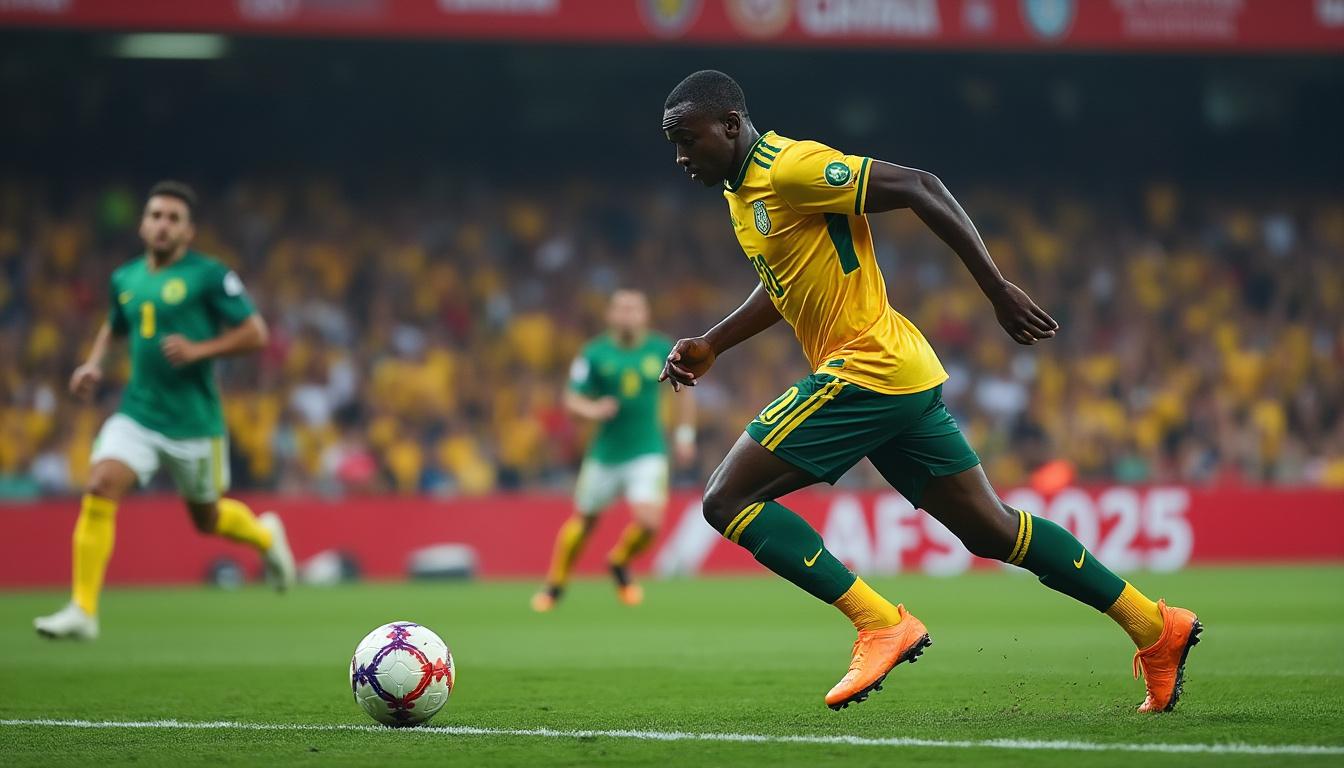
The Africa Cup of Nations (AFCON) 2025 is rapidly approaching, and the excitement is already palpable across the continent and beyond. Hosted by Morocco, a nation rejuvenated by its exceptional 2022 World Cup performance, the tournament beckons with promises of passion, tactical brilliance, and fierce competition. As 24 nations prepare to battle for the coveted crown, the early signs point towards a captivating showdown, teeming with both established powerhouses and emerging challengers aiming to carve their names into football history.
September’s qualification clashes have served as a revealing prologue, reshaping expectations and spotlighting teams that possess the tactical depth, resilience, and star power needed for the grueling weeks ahead. The current landscape isn’t just about star-studded lineups; it’s the unfolding narratives of legacy, hunger, tactical innovation, and mental strength that truly ignite the tournament preview. With global brands investing in the continent’s football stars and broadcasters set to deliver unmissable action to passionate fans worldwide, AFCON 2025 is set to elevate African football’s global stature to unprecedented heights.
Key highlights for fans gearing up to AFCON 2025 include:
- Morocco’s home advantage, underpinned by world-class stars and modern infrastructures, positions them as clear favourites yet laden with pressure.
- Senegal’s pursuit of back-to-back titles relying on tactical discipline and the brilliance of key players like Sadio Mané.
- Egypt’s experience and leadership, anchored by Mohamed Salah, balanced against tactical challenges.
- Ivory Coast’s dynamic attack, offset by defensive inconsistencies needing urgent attention.
- Underdog teams showing promise and unpredictability that may disrupt established hierarchies.
Host Nation Morocco: Harnessing the Home Crowd and Harnessing Pressure
Morocco’s role as host automatically elevates expectations both on and off the pitch. Their qualification matches in September reinforced the strength and depth of a squad seasoned by European top-flight competition and brimming with exciting young talents. Anchored by household names like Achraf Hakimi and Hakim Ziyech, the team blends speed and skill on the flanks with a vigorous midfield presence, especially through Sofyan Amrabat, who commands control and tempo. These players, often backed by Nike and Puma sponsorships, bring international professionalism and flair that bolster Morocco’s tactical versatility.
The Atlas Lions’ stellar 2022 World Cup semifinal run wasn’t just a flash in the pan. It symbolized the growth of African football infrastructures, investment into youth development, and scientific approaches to training and recovery. Morocco boasts state-of-the-art stadiums like the Prince Moulay Abdellah Stadium in Rabat, which will ignite the fiery support of home fans. Local passion, colorful tribal chants, and unrelenting energy inject a psychological advantage that can tip balance in tight matches.
Despite these strengths, challenges linger. The rigorous demands on European-based stars may lead to fatigue, as clubs’ schedules provide little respite. Maintaining squad freshness and injecting tactical adaptability remain areas to watch. Morocco’s defensive setup showed moments of vulnerability during qualifiers, which opponents can exploit if left unchecked. Their tactical plan focuses on a fast transition from defense to attack, but refining in-game flexibility will be essential if unexpected scenarios unfold.
Areas Morocco must navigate carefully include:
- Rotating players to manage physical strain for those involved in demanding European leagues.
- Resolving defensive lapses to secure clean sheets in tense knockout games.
- Sharpening tactical variations beyond the primary wing-based assaults.
Morocco’s ability to meld the intensity of home support with sound tactical execution makes them one of the strongest teams heading into the tournament. Exploring this team’s journey in depth can be enhanced by visiting the detailed morocco tournament preview that dives into their preparedness and overall squad dynamics.
Senegal: Champions Ready to Defend Their Throne with Tactical Mastery
Senegal remains a dominant force in African football, with their 2021 AFCON championship still fresh in memory. The Lions of Teranga demonstrated exceptional discipline during the September qualifiers, blending experience with robust tactical setups under the strategic leadership of coach Aliou Cissé. His ability to balance aggressive pressing and compact defense makes Senegal a formidable adversary.
The attacking threat centers heavily around Sadio Mané, whose prodigious talent is supported by global sponsorships, including Adidas endorsements, an indication of his stature in world football. Mané’s ability to unlock defences with his pace and dribbling makes Senegal dangerous on the break, while veterans like Kalidou Koulibaly anchor a defense that has conceded very little.
However, closely monitoring Senegal reveals concerns about an overreliance on Mané’s creative output. Diversifying attacking options will be crucial to avoid predictability, especially in knockout fixtures where opponents craft specific plans to contain star players. Physical endurance and injury prevention are also paramount, given the numerous European club commitments these players juggle yearly.
Senegal’s September run saw numerous clean sheets and commanding possession statistics, underscoring their dominance in typical team rankings. Their disciplined approach ensures they manage game tempo expertly, dictating play and disrupting opponents. This blend of tradition and modern tactical evolution places Senegal among the AFCON favorites and a realistic contender for a repeat crown.
The impact of European clubs on players’ fitness and form remains a significant narrative for Senegal, influencing coaching decisions and player rotation strategies.
Egypt’s Pharaohs: Balancing Legacy and Tactical Innovation
Egypt’s place as the most successful nation in AFCON history brings with it a storied legacy and relentless expectations. With seven titles, the Pharaohs enter the competition carrying a deep-rooted psychological edge. Mohamed Salah, their most dazzling star, embodies the nation’s hopes and dreams. His influence extends beyond the pitch, shaped by his partnerships with brands like Nike, signaling his global football superstar status.
During the September qualifiers, Egypt displayed a steady but conservative style, often relying on a well-organized defense that prioritizes cautious buildup play. Though effective at times, this approach limits the frequency of open attack opportunities, leaving some fans and analysts craving more dynamic forward thrusts. The Pharaohs’ knockout experience is a definite asset, especially when matches tighten under pressure.
A particular tactical challenge for Egypt lies in their heavy dependence on Salah, who receives relentless attention from opposing defenders aiming to neutralize his impact. For Egypt to contend seriously, they must distribute offensive responsibilities more evenly and foster creative tempo changes throughout the field.
The national federation’s commitment to integrating youth talent alongside veteran stalwarts forms the backbone of Egypt’s rejuvenation strategy. This blend imparts experience and fresh energy, which may well unlock new dimensions in Africa Cup of Nations play. Coverage by leading broadcasters like BeIN Sports continues to highlight Egypt’s consistent presence on the continental stage.
Tactical priorities for Egypt heading into AFCON 2025:
- Enhance creative midfield link-ups beyond reliance on Salah
- Implement strategic shifts to accelerate attacking transitions
- Strengthen defensive resilience without sacrificing offensive potential


Ivory Coast: A Potent Attack with Defensive Vulnerabilities to Address
The Ivory Coast Elephants stand out as a blend of heritage and a promise of a new golden generation. Sébastien Haller and Franck Kessié spearhead a lively and technically gifted frontline, empowered by sponsorships from Umbro and Puma. Their offensive capabilities have dazzled fans and posed serious threats to opponents during the recent qualifiers.
Yet the September qualifiers uncovered defensive fragilities that present major concerns heading into the tournament’s knockout phases. Fast-paced opponents exploited gaps, capitalizing on lapses in organization and transitions. Resolving these defensive weaknesses without diminishing their attacking flair is a crucial coaching puzzle.
Ivory Coast’s football culture, marked by resilience and tactical evolution, continues to inspire passionate fan backing and corporate investment from broadcasters like SuperSport and MTN. Their squad is a fascinating blend of veteran leadership and youthful ambition, increasing their unpredictability and making them a strong challenger.
Addressing the balance between offense and defense isn’t just tactical; it is psychological. The team’s ability to harness both aggression and structure could be crucial in navigating the dramatic knockout stages. Observers and fans eagerly check out in-depth coverage of emerging talents and underdog teams which often shake up AFCON’s traditional pecking order via articles such as underdogs to watch.
- Offensive strengths: Versatile attack, technical midfield prowess, physical endurance.
- Defensive challenges: Organization inconsistencies, susceptibility to counters.
- Strategic focus: Defensive drills and coordinated play against high-pace attacks.
Top Contenders and Emerging Threats: A Strategic Overview from Recent Fixtures
The post-September qualification landscape illustrates the fierce competition awaiting in AFCON 2025. Morocco, Senegal, Egypt, and Ivory Coast head the pack, each armed with distinct tactical blueprints, squad compositions, and psychological motivations. The home nations’ stellar preparations meld with proven champions’ experience, creating a tournament field where traditional hierarchies may be tested by emerging talents and cunning strategies.
Below is a comparative table summarizing the main strengths, weaknesses, and AFCON titles of the leading contenders as of the latest qualifiers:
| Team | Main Strength | Main Weakness | AFCON Titles |
|---|---|---|---|
| Morocco | Home advantage and emerging golden generation | Host nation pressure and player fatigue risks | 1 |
| Senegal | Balanced squad, tactical discipline | Heavy reliance on Sadio Mané for attack | 1 |
| Egypt | Historical experience & Mohamed Salah’s leadership | Overdependence on Salah, conservative style | 7 |
| Ivory Coast | Powerful attack, mix of experience and youth | Defensive gaps against fast teams | 2 |
Climatic conditions during the tournament, player rotation strategies, and the ever-present weight of national pride will influence how teams navigate the high-stakes environment. CAF’s stringent refereeing standards coupled with growing commercial partnerships from TotalEnergies and MTN ensure a well-orchestrated spectacle with both sporting excellence and fan engagement at its core.
For those eager to delve deeper into upcoming warm-up fixtures and tactical insights, resources like AFCON 2025 warmup matches offer comprehensive previews and expert analysis.
Which teams are considered the strongest favorites for AFCON 2025?
Morocco, Senegal, Egypt, and Ivory Coast stand as the top favorites heading into the tournament owing to their squad depth, tactical acumen, and player quality.
How does Morocco’s role as host influence their chances?
Hosting provides Morocco with home-crowd support, familiar conditions, and superior facilities, boosting their confidence but also adding pressure to deliver a first AFCON title since 1976.
What are the main challenges facing Senegal’s team?
Senegal must manage player fatigue due to demanding club schedules and diversify attacking options beyond reliance on Sadio Mané for sustained success.
Why is Egypt’s tactical approach under scrutiny?
Despite their experience, Egypt’s heavy dependence on Mohamed Salah and conservative style limits attacking fluidity, which could be a limitation against more dynamic opponents.
Are there any dark horse teams to watch for in AFCON 2025?
Yes, teams like Mali, Cameroon, and South Africa have shown promise and could upset the established order with tactical discipline and hunger.