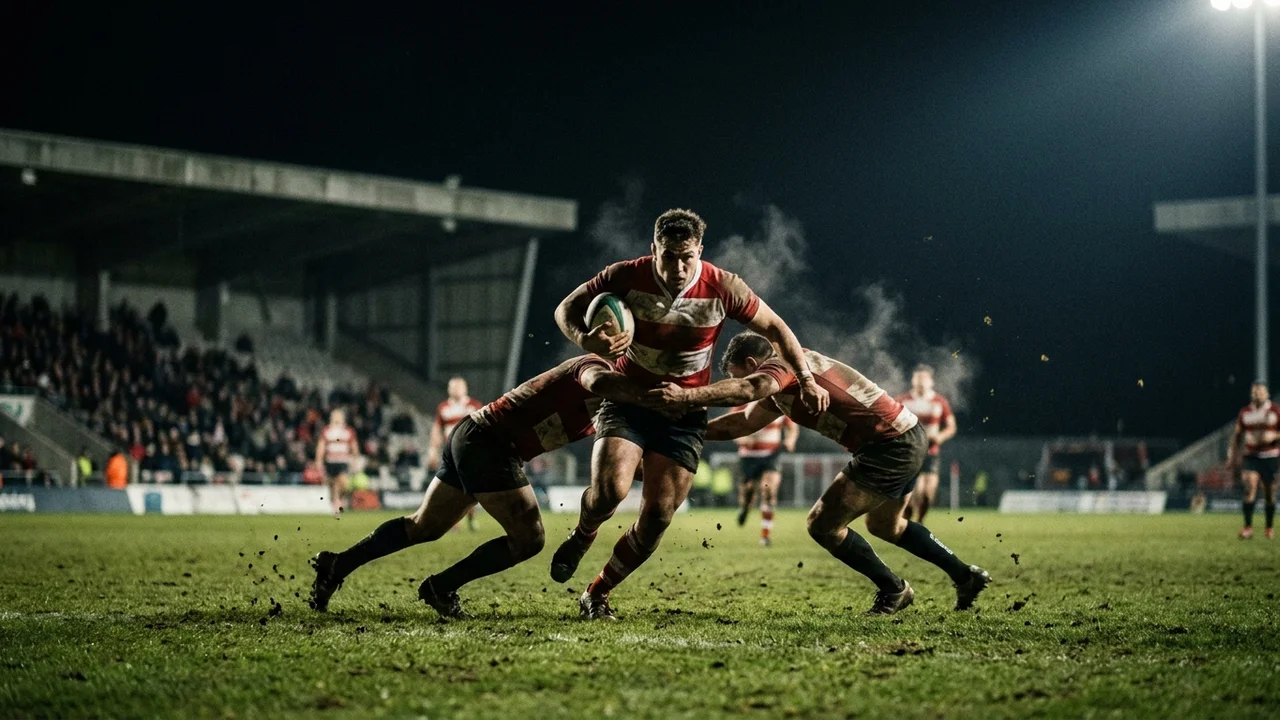
Sir Billy Boston’s journey from the streets of Cardiff to rugby league immortality featured milestones rarely matched in the sport’s history. The legendary winger, who passed away at age 92, was celebrated for his extraordinary achievements on the field, the barriers he broke, and the recognition he brought to rugby league.
In 2025, Boston became the first player in rugby league’s 130-year history to receive a knighthood. Awarded by King Charles, the honour recognised his immense contribution to the game and marked a watershed moment for a sport often described as a rebel code from northern England. It followed decades of accolades and tributes that reflected the scale of his impact.
Statues of Sir Billy Boston underline his importance to the game. He is one of just five figures immortalised at Wembley’s monument to the Challenge Cup, while his home city of Cardiff includes him in a three-man tribute alongside Clive Sullivan and Gus Risman. Wigan, where his career flourished, captured Boston in bronze as a permanent tribute to a club legend.
Born in Cardiff’s Tiger Bay district in 1934, Boston developed his rugby on local streets and with the Cardiff International Athletic Club. He dreamed of playing for Cardiff Blues and Wales, but first-team opportunities were blocked, forcing him to travel to Neath and Pontypridd for trials. National service in the north of England changed the course of a rugby union career that had stalled.
Military duty brought Boston to the attention of rugby league scouts. Wigan signed him as a 19-year-old in 1953 for £3,000, a significant fee at the time that quickly looked a bargain when he scored with his first touch for the Wigan A team.
Record-Breaking Feats and Hall of Fame Recognition

Speed, power, and skill carried over immediately to rugby league. Former player and commentator Ray French described Boston’s fend as being “like being hit in the face with a shovel,” while his physicality and footwork set him apart. Grainy footage from the era still shows his athletic brilliance.
After switching from union, he reached 100 tries in only 68 matches, a staggering pace that signalled his elite status. Boston scored 478 tries in 488 games for Wigan, helping the club secure three Challenge Cups and a league Championship. Selected for the 1954 Great Britain tour of Australia and New Zealand after just a handful of league games, he became the first black British player to tour down under.
His international record included 24 tries in 31 appearances for Great Britain and a key role in the 1960 World Cup victory. Boston scored in the final against Australia at Odsal Stadium and finished his career with 571 tries in senior rugby league, a total surpassed only by Brian Bevan.
Blackpool Borough used Boston as a second row after his Wigan departure. His ties to Wigan remained strong: he managed the Griffin Hotel near Central Park, and one of the stadium’s stands was named in his honour.
Honours extended beyond statues and a knighthood. Boston was appointed an MBE in 1986 and was among the first inductees into both the Rugby League Hall of Fame (1988) and the Welsh Sports Hall of Fame (1990).
Rugby’s debates over its greatest icons continue to feature Boston’s story, including discussions of historic rugby achievements and changing perceptions.
Diagnosed with dementia before his knighthood, Boston remained a revered figure. Tributes since his passing have focused on his athleticism, humility, and trailblazing influence.
Bronze statues in three cities and rugby league’s record books preserve his legacy. The impact of League of Legends patches on betting markets examines how changes within esports can affect outcomes and perceptions.